You’ve made a smart choice. Whether it’s a sleek patio cover, a durable warehouse skylight, or a high-light greenhouse, polycarbonate panels represent a significant investment in your property’s functionality, aesthetics, and value. We choose polycarbonate for its legendary impact strength, excellent light transmission, and thermal efficiency. But like any high-performance building material, its longevity isn’t just a given—it’s a result of informed selection, proper installation, and conscientious care. Think of it not as a one-time purchase, but as a long-term asset. Protecting that asset means understanding the material and implementing a simple, effective strategy. This guide will walk you through the key practices, from day one to decade ten, that will ensure your polycarbonate investment pays dividends in performance and durability for years beyond its warranty.
Understanding Your Material: The Foundation of Longevity
Before we dive into maintenance, let’s ground ourselves in what polycarbonate is and what it needs. Polycarbonate is a thermoplastic polymer, not a glass. This gives it incredible toughness, but it also means it expands and contracts with temperature changes more than glass or metal. Most panels, especially multiwall or structured sheets, have a co-extruded UV protective layer on one side. This layer is critical; it blocks the sun’s degrading rays. Always, and I mean always, install panels with this UV-coated side facing the sun. Flipping it is a surefire way to shorten its life dramatically, leading to yellowing and embrittlement. Furthermore, polycarbonate is naturally hydrophobic, meaning water beads up and rolls off. This is great for self-cleaning, but it also means that dirt and contaminants need the right approach for removal. Understanding these basic properties is the first step in caring for them correctly.
Installation: The Critical First Step for a Long Life
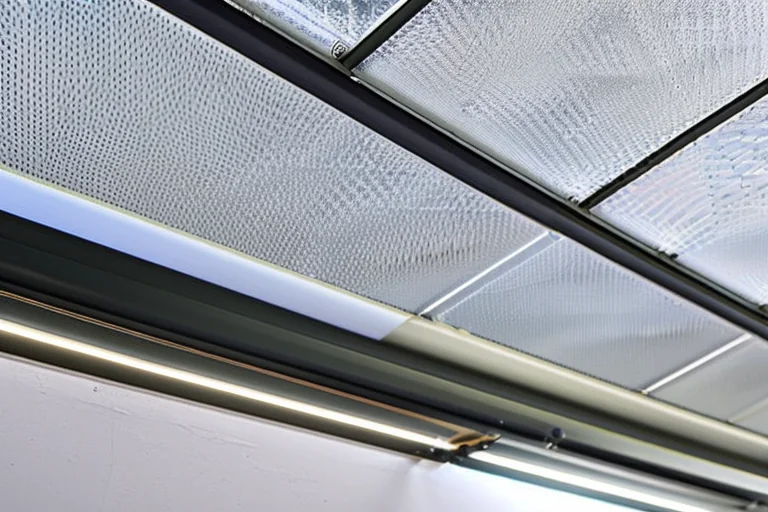
A long life for polycarbonate begins long before the first cleaning. It starts with flawless installation. Cutting panels requires fine-toothed saws to prevent chipping and cracking. But the most crucial, non-negotiable step is proper sealing of the ends. The channels in multiwall or corrugated panels are designed for thermal insulation and strength, but if left open, they become highways for dust, insects, moisture, and algae. This not only reduces insulation value and creates unsightly internal dirt but can also lead to organic growth that’s impossible to clean. The solution is simple and absolute: every cut end must be sealed. Using high-quality specialized sealing accessories is non-negotiable for a professional, lasting result. These trims and tapes are designed to allow for condensation drainage while keeping particulates out. Skipping this step is the single biggest installer error that compromises long-term performance.
Allowing for Expansion and Contraction
Remember that polycarbonate moves. When securing panels, whether with screws or in a framing channel, you must account for thermal expansion. Drill oversized holes and use neoprene or EPDM washered screws designed for plastics. Never overtighten. The panel should be able to “float” slightly within its fastening point. If it’s clamped down too tightly, stress will build up, leading to warping, cracking at the fastener points, and premature failure. Proper framing alignment and support spacing as per the manufacturer’s specifications are also vital to prevent sagging and pooled water, which can accelerate dirt accumulation and stress the material.
The Golden Rules of Cleaning and Maintenance
Regular, gentle cleaning is the cornerstone of preserving clarity and surface integrity. The goal is to remove abrasive dirt without scratching the UV coating. First, always rinse the surface with plenty of plain water to loosen and wash away loose grit. For cleaning, use a mild soap solution—think dish soap or a dedicated plastic cleaner—and a soft cloth, sponge, or a brush with soft bristles. Work in the shade if possible, as cleaning a hot, sun-baked panel can cause the solution to dry too quickly and leave residues. Never, under any circumstances, use abrasive cleaners, scouring pads, steel wool, or harsh chemicals like acetone, gasoline, or ammonia-based window cleaners. These will permanently damage the UV layer and the polycarbonate surface, causing hazing and reducing impact strength.
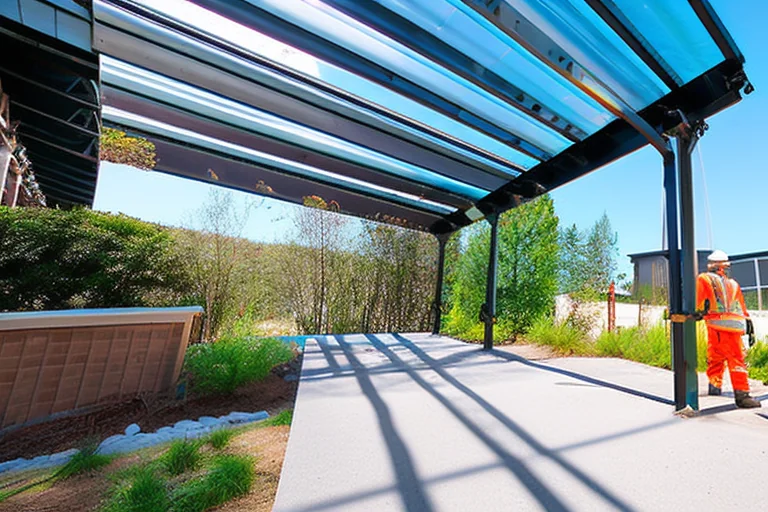
Establishing an Inspection Routine
Twice a year, ideally in spring and fall, take 30 minutes to do a visual inspection of your installation. Look for accumulated debris in the channels of multiwall panels—leaves and pine needles are common culprits. Gently flush these channels with low-pressure water or use compressed air. Check all seals, trims, and fasteners. Are the end caps still secure? Are the silicone seals at perimeter flashings still flexible and intact, or have they cracked and shrunk? Catching a small seal failure early prevents a major water intrusion issue later. Also, look for any signs of impact damage or deep scratches that might compromise the panel’s integrity.
Protecting Against Environmental Stressors
While polycarbonate is tough, it’s not invincible. Proactive protection goes a long way. For flat or low-slope installations, ensure your design promotes proper water runoff to prevent standing water and mineral deposits. In areas with heavy pollen, industrial fallout, or hard water, you may need to clean more frequently to prevent stubborn staining. Be mindful of what’s around the installation. If you’re pressure-washing a nearby brick wall, cover the polycarbonate or avoid spraying directly onto it, as high-pressure water can force its way past seals. Similarly, keep climbing plants trimmed back, as vines can scratch surfaces and their tendrils can work into panel joints.
Addressing Scratches and Hazing
Minor surface scratches happen. For very fine scratches, specialized plastic polishing compounds can sometimes improve appearance, but use them sparingly and test in an inconspicuous area first, as they can affect the UV layer. Deep scratches or hazing from chemical damage are usually permanent. The good news is that polycarbonate’s strength often remains even if the aesthetics are slightly diminished. If clarity is paramount, such as in a retail display, consulting a professional for assessment and potential panel replacement is the best course. They can determine if the damage is just cosmetic or structural.
Knowing When to Repair or Replace
Even with the best care, all materials have a service life. How do you know when your polycarbonate is nearing its end? Severe, widespread yellowing or brittleness indicates UV protection failure. Large cracks, especially those radiating from fastener points, are a sign of stress failure and compromise the panel’s waterproofing and strength. Chronic condensation or algae growth inside sealed multiwall channels suggests failed end seals that cannot be remedied without disassembly. In these cases, spot replacement of affected panels is often possible. Sourcing the same profile and color is key for a seamless look. For large-scale failures, a full replacement may be the most cost-effective long-term solution.
Your polycarbonate installation is a valuable asset that, with understanding and minimal routine care, will provide reliable service for decades. It starts with respecting the material’s properties during installation, continues with gentle cleaning and biannual check-ups, and is supported by proactive protection from environmental abuse. By investing a small amount of time in these practices, you safeguard the much larger financial investment you’ve made, ensuring continued beauty, performance, and return on investment for your structure.
Ready to ensure your project gets the best start or address a maintenance need? We are here to help with expert advice and top-tier products. View Our Full Product Catalog for all the right panels, seals, and fasteners, or Contact Our Polycarbonate Experts Today for personalized guidance on preserving your specific installation. Let’s protect your investment together.