In the competitive world of retail, first impressions are everything, and your storefront is your silent salesperson. A well-designed commercial awning system does far more than just provide shade; it’s a powerful tool for branding, customer comfort, and operational efficiency. As a construction professional, I’ve seen how the right awning transforms a bland facade into a dynamic, inviting entryway that draws customers in and protects them from the elements. Today, we’re diving deep into everything you need to know about selecting, installing, and maintaining a commercial awning system, with a particular focus on the superior performance of modern materials like polycarbonate. Whether you’re a boutique owner, a restaurant manager, or managing a chain store, understanding these systems is key to enhancing your property’s value and your bottom line.
Why Your Retail Store Needs a Professional Awning System
Let’s start with the fundamentals. A commercial awning is not a mere decorative add-on; it’s a functional architectural element with measurable returns. The primary benefit is creating a defined and protected entrance. This simple act of extending coverage from the building line accomplishes several critical goals. It shields customers from rain, snow, and harsh sun, making the approach to your door comfortable and safe. This comfort directly translates into increased dwell time; customers are more likely to browse window displays or wait comfortably for a friend, leading to higher foot traffic and potential sales. From an energy perspective, a quality awning significantly reduces solar heat gain through windows and glass doors. By blocking direct sunlight, you lower your interior cooling load, which can cut air conditioning costs by a substantial margin, especially during peak summer months. Furthermore, it protects your interior merchandise from UV fading, preserving the color and quality of fabrics, furniture, and displayed goods.
Branding and Curb Appeal: Your 24/7 Billboard
Perhaps the most visible advantage is the branding opportunity. A custom awning acts as a permanent, eye-catching billboard. You can integrate your logo, brand colors, and even specific fonts directly into the design. This creates instant visual recognition and elevates your store’s professional image. A cohesive, well-maintained awning signals to customers that you care about details and their experience. It differentiates your business in a crowded streetscape, making your location easier to find and remember. In essence, it’s a capital investment in your brand’s physical identity, working around the clock to attract attention and communicate your business’s character.
Choosing the Right Material: Polycarbonate vs. Traditional Fabrics
The heart of any durable awning system is its cladding material. For decades, acrylic or vinyl-coated polyester fabrics were the standard. While they offer good initial color vibrancy, they have notable limitations: they can sag, stain, mildew, and their colors degrade rapidly under constant UV exposure, requiring frequent replacement. This is where engineered polymers, specifically polycarbonate, have revolutionized the market. Polycarbonate panels are rigid, structural sheets known for exceptional impact resistance—they are virtually unbreakable compared to glass or acrylic. More importantly for awning applications, they are inherently UV-resistant. High-quality sheets come with co-extruded UV protective layers that prevent yellowing and maintain clarity and strength for decades, not just years.
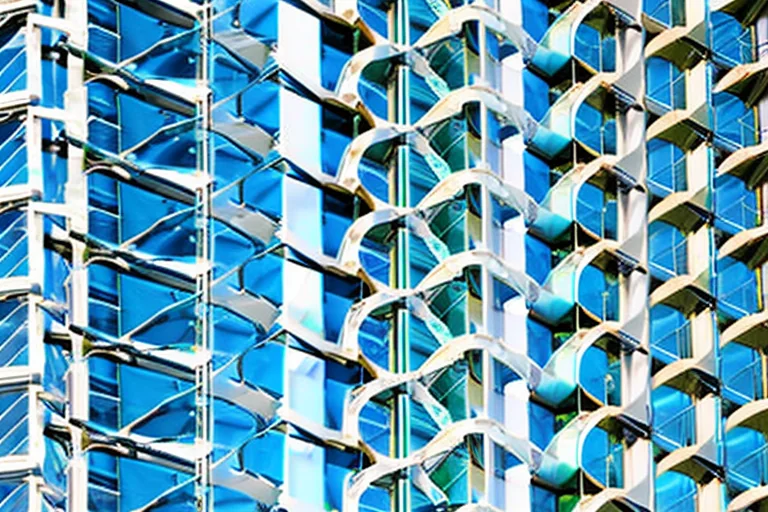
Polycarbonate panels for awnings typically come in multi-wall structures (like twin-wall or triple-wall). These sheets contain longitudinal ribs that create air chambers, providing excellent thermal insulation and structural rigidity while remaining lightweight. This makes them ideal for larger spans with less supporting framework. They are available in a vast array of tints and opacities, from crystal clear to opaque, allowing for control over light transmission and privacy. For retailers, this means you can design an awning that provides bright, diffused natural light without glare or opt for a darker tint for maximum sun blockage. Their non-porous surface is also easy to clean and resistant to mold and environmental staining. While the upfront cost may be higher than fabric, the lifecycle cost is often lower due to minimal maintenance and a lifespan that can exceed 20 years with proper care. For agricultural or industrial-style retail spaces seeking extreme durability, exploring options like heavy-duty polycarbonate sheeting can provide unparalleled strength for certain awning designs.
Design Considerations and Structural Integrity
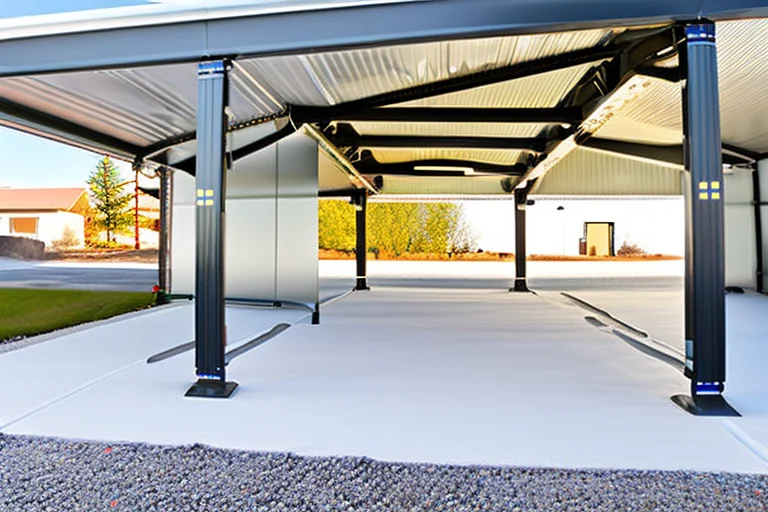
Designing a commercial awning is a blend of art and engineering. The first step is determining the style: traditional dome, contemporary waterfall (vertical side panels), classic pitched, or sleek cantilevered. The choice depends on your building’s architecture and desired aesthetic. Next, you must calculate the size and projection. The awning must be proportional to your storefront and provide adequate coverage without overwhelming the facade. Local building codes are non-negotiable; they dictate factors like minimum height clearance over sidewalks (usually 7-8 feet), wind load requirements, and potential need for permits. Wind load is a critical engineering factor. Your awning frame must be designed to withstand uplift and shear forces specific to your geographic location. This usually involves a structural analysis to determine the appropriate gauge of aluminum or steel for the frame and the correct fastening system into the building’s substrate (brick, concrete, wood framing).
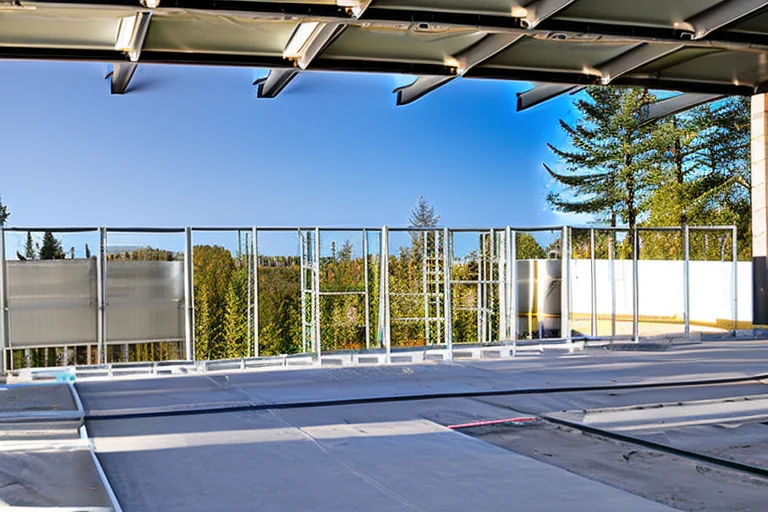
Proper drainage is another crucial, often overlooked, detail. The awning design must incorporate a slope or curve to channel rainwater away from the entrance and prevent pooling, which can lead to excessive loading and eventual structural failure or water dripping on customers. Integration with lighting is also a key design opportunity. LED strip lights can be incorporated under the awning valance or within the frame to provide safe, attractive illumination after dark, further extending your store’s visibility and security. A professional installer will handle all these complexities, ensuring the system is not only beautiful but also safe, durable, and code-compliant.
Installation Process: What to Expect from Professionals
A professional installation is what separates a long-term asset from a future liability. The process typically begins with a detailed site survey and measurement. Installers will assess the building’s condition, identify structural attachment points, and locate hidden utilities. Next, the custom frame, usually constructed from powder-coated aluminum for its rust resistance and strength-to-weight ratio, is assembled. Mounting brackets are securely anchored into the building’s structural members—never just into siding or veneer. This is the most critical step for safety and longevity. The polycarbonate panels are then cut to size, with edges properly sealed with compatible aluminum or plastic end caps to prevent dust and moisture ingress into the channels. The panels are fastened to the frame using specialized clips that allow for thermal expansion and contraction, preventing stress cracks. Finally, all seams, flashings, and edges are sealed, and the system is tested for water runoff. A reputable installer will walk you through basic maintenance and provide warranty documentation for both materials and labor.
Maintenance and Long-Term Care for Maximum Lifespan
One of the biggest selling points of a polycarbonate awning system is its low maintenance. However, “low” does not mean “none.” A simple bi-annual cleaning regimen will keep it looking new for years. Use a soft cloth or sponge with a mild soap solution (like dish soap) and lukewarm water. Always rinse thoroughly. Avoid abrasive cleaners, scouring pads, or solvents like acetone or gasoline, as they can damage the UV protective layer. It’s also wise to periodically inspect the awning for any loose fasteners, sealant failures, or debris buildup in gutters or on the surface. While polycarbonate is incredibly tough, keeping it clean prevents abrasive dirt from scratching the surface and maintains its optical clarity. For a deep dive into preserving your investment, our resource on maintaining UV protection and durability offers expert tips that apply directly to awning care.
Calculating the Return on Investment (ROI)
Justifying the cost of a commercial awning requires looking at the full financial picture. The ROI comes from multiple streams. First, direct energy savings from reduced cooling costs can often be quantified by your utility bills. Second, consider the extended lifespan of your awning compared to cheaper alternatives—fewer replacements mean lower long-term capital costs. Third, and most significant though hardest to precisely measure, is the increase in business. An inviting, branded entrance can boost walk-in traffic. It creates usable outdoor space for signage, displays, or café seating, which can directly increase sales. Furthermore, it enhances your property’s curb appeal and value. When you add up reduced operational costs, decreased maintenance, and potential revenue growth, a quality polycarbonate awning system transitions from a simple expense to a strategic business investment with a compelling payback period.
Ready to transform your retail storefront with a durable, attractive awning system? The right design can redefine your customer’s experience and your operational efficiency. Don’t leave this critical investment to chance. Contact Our Polycarbonate Experts Today for a personalized consultation, or start your research by exploring our extensive Resource Library for more detailed guides and case studies. Let’s build an entrance that works as hard as you do.