When you specify or install polycarbonate, you’re investing in a material known for incredible strength, light weight, and design flexibility. From skylights and canopies to greenhouse glazing and noise barriers, it’s a go-to solution for modern construction. But here’s the reality every pro needs to understand: the long-term success of that investment isn’t just about the initial installation. It’s a marathon, not a sprint, and the biggest environmental challenge your polycarbonate will face over decades of service is relentless ultraviolet (UV) radiation from the sun. Without proper UV protection maintenance, even the toughest polycarbonate can succumb to yellowing, embrittlement, and catastrophic failure. This isn’t about scare tactics; it’s about smart asset management. Think of UV protection not as an optional feature, but as the foundational warranty for your project’s longevity. In this guide, we’ll move beyond the basics and dive deep into the practical, actionable strategies that ensure your polycarbonate installations deliver on their promise of durability for 10, 20, or even 30 years, standing strong against the sun’s constant assault.
Understanding the Enemy: How UV Radiation Degrades Polycarbonate
To effectively maintain something, you first need to know what you’re fighting against. Polycarbonate polymer chains are exceptionally tough, but they have an Achilles’ heel: specific wavelengths of ultraviolet light. When UV photons, particularly UV-B rays, strike the surface of unprotected polycarbonate, they carry enough energy to break the chemical bonds within the polymer. This process, called photodegradation, is a slow but steady attack. It doesn’t happen overnight, but cumulatively over thousands of hours of sun exposure. The broken bonds lead to the formation of free radicals, which then react with oxygen in a process called photo-oxidation. This is the root cause of the visible and structural damage we see. It’s a chemical change at the molecular level, and once it progresses beyond a certain point, it becomes irreversible. This is why reactive maintenance—waiting until you see yellowing—is a losing strategy. The goal of UV protection maintenance is to intercept and neutralize this process before it can begin its work on the core material.
The Visible and Structural Consequences of UV Damage
Ignoring UV protection leads to a predictable and costly progression of failure. The first sign is often a slight loss of optical clarity or a very faint yellow tinge, especially when comparing a protected edge to the exposed surface. This yellowing is more than cosmetic; it signifies the breakdown of the polymer and directly reduces light transmission, which is a critical performance metric for applications like daylighting or plant growth in greenhouses. As degradation advances, the material loses its ductility. It becomes brittle and micro-cracks begin to form. You might notice a chalky haze on the surface or a distinct loss of surface gloss. This embrittlement dramatically reduces the material’s legendary impact resistance. A panel that could once withstand hail may now crack under thermal expansion stress or minor impacts. Ultimately, this leads to cracking, crazing, and complete structural failure. For architectural applications, this means leaks, safety hazards, and expensive full-panel replacements instead of simple, routine upkeep.
Built-In vs. Applied UV Protection: A Critical Distinction
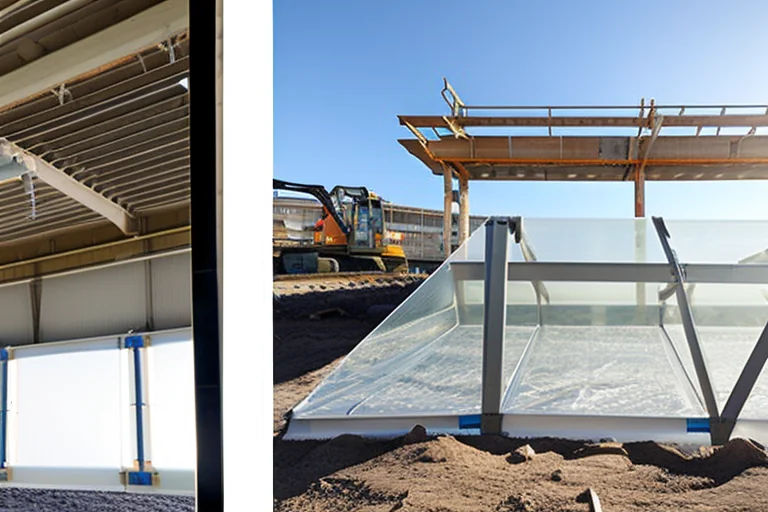
Not all UV protection is created equal, and understanding this is the cornerstone of a low-maintenance durability plan. There are two primary methods: coatings and co-extrusion. Applied coatings, often acrylic or silicone-based, sit on the surface. While they can be effective initially, they are subject to wear, environmental erosion, and can be compromised by improper cleaning. Their protection can degrade over time, requiring reapplication—an added maintenance cost and logistical challenge. The industry gold standard for long-term, worry-free performance is co-extruded UV protection. In this manufacturing process, a permanent, micron-thick layer of material containing UV-absorbing stabilizers is fused to the top surface of the polycarbonate sheet during production. This layer acts as a sacrificial shield, absorbing and dissipating the harmful UV rays before they can reach the core substrate. Because it’s molecularly bonded, it cannot wash off, wear off, or be accidentally removed. When you choose high-quality translucent sheet options with co-extruded UV layers, you are fundamentally choosing a product designed for minimal maintenance and maximum service life from day one.
Proactive Maintenance Strategies for Maximum UV Defense
Maintenance for UV protection is a blend of smart product selection, correct installation, and consistent care. It starts before the panel is even installed. Always verify the UV protection type and its expected service life with your supplier. Ensure the protected side is correctly oriented outward during installation—a simple but catastrophic mistake if missed. Once installed, establish a semi-annual inspection routine. Look for the early signs we discussed: subtle color shifts, haze, or any surface abrasions that might compromise a coated layer. Pay special attention to fasteners and edges, as these are potential stress points. Keep detailed records of your inspections; a photo log from year to year is an excellent way to track changes that are too gradual to notice day-to-day.
The Right Way to Clean Polycarbonate Surfaces
Improper cleaning is one of the fastest ways to inadvertently damage UV protection systems, especially coated ones. Never use abrasive cleaners, scouring pads, or harsh solvents like acetone, gasoline, or strong alkali solutions. These can scratch the surface or chemically attack the protective layer. For routine cleaning, use a mild soap or detergent (like dish soap) diluted in lukewarm water. Apply with a soft, non-abrasive cloth or a sponge with a soft side. Gently wipe the surface and rinse thoroughly with clean water to prevent soap residue, which can attract dirt. Use a soft squeegee or a microfiber cloth to dry and prevent water spotting. For tougher grime, use isopropyl alcohol as a safe solvent. The key is gentle mechanical action with safe chemicals. Establishing and following a proper cleaning protocol is a direct form of preventive maintenance that preserves the integrity of the UV shield.
Special Considerations for Different Applications
Your maintenance approach should be tailored to the specific application and its environmental exposure. A polycarbonate facade on a high-rise in a coastal, sunny environment faces a much harsher UV and salt spray burden than an interior partition. For greenhouse panels, organic matter, algae, and fertilizer residues can combine with UV exposure, requiring more frequent gentle cleaning to maintain light diffusion and prevent localized degradation. For roofing and skylights, ensure drainage paths and weep holes are clear. Trapped moisture or debris against the panel can create a micro-environment that accelerates degradation. In high-snow load areas, use only soft tools to remove snow to avoid scratching. For any application, consider the value of professional assessments. Following a detailed guide from industry experts for both installation and long-term care can help you avoid common pitfalls that shorten material life.
When to Repair, When to Replace: Making the Call
Despite best efforts, damage can occur. The decision to repair or replace hinges on the type and extent of the UV damage and the integrity of the protective layer. Superficial scratching or very minor hazing on a co-extruded sheet may be addressable with specialized plastic polishing compounds, though this should be done cautiously as it can slightly thin the protective layer. However, if you see widespread yellowing, pronounced brittleness (evident by cracking at fastener points or along seams), or significant loss of light transmission, replacement is almost always the safer and more cost-effective long-term solution. Attempting to “coat over” severely degraded polycarbonate is a temporary fix at best. The substrate is already compromised, and new coatings will not restore its mechanical properties. Proactive replacement of aging panels before they fail completely prevents water intrusion, safety issues, and more extensive collateral damage.
Investing in Longevity Pays Dividends
Viewing UV protection maintenance as a non-negotiable aspect of polycarbonate stewardship transforms your project’s lifecycle cost. The modest upfront investment in premium, co-extruded protected sheets and the disciplined commitment to simple, regular care pay massive dividends by deferring costly replacements for decades. It preserves the aesthetic appeal, the structural performance, and the safety of the installation. In a world focused on sustainable construction, maximizing the service life of building materials is one of the most effective forms of sustainability. By understanding the science of degradation and implementing the practices outlined here, you ensure that your polycarbonate structures remain clear, strong, and functional assets, fully capable of enduring the test of time and sun.
Ready to build with confidence and ensure decades of performance from your next project? Your first and most important maintenance step happens at the specification stage. View Our Full Product Catalog to explore our range of high-performance, co-extruded UV-protected polycarbonate solutions engineered for longevity. For complex installations or to discuss the specific demands of your site, Contact Our Polycarbonate Experts Today for personalized guidance. And to deepen your knowledge, Access Our Complete Resource Library for more technical guides, case studies, and best practices.