In today’s construction landscape, “sustainable design” has moved far beyond a buzzword—it’s a fundamental responsibility and a smart business strategy. As professionals on the front lines, we’re tasked with turning lofty environmental goals into tangible, high-performing structures. It’s not just about adding a few solar panels; it’s a holistic philosophy that influences every decision, from the initial sketch to the choice of fasteners. True eco-friendly design marries environmental stewardship with practical durability, occupant well-being, and long-term economic sense. It’s about building systems that work smarter, last longer, and leave a lighter footprint, and this journey often starts with the materials we specify and how we put them together.
The Pillars of Sustainable Construction
Sustainable design rests on several interconnected pillars. First is energy efficiency, which goes beyond insulation to encompass passive solar design, high-performance building envelopes, and intelligent systems that reduce operational demand. Second is material selection, focusing on resources that are durable, recycled, recyclable, and sourced responsibly. We must consider the entire lifecycle—from extraction and manufacturing to installation, service life, and end-of-life disposal or repurposing. Third is water conservation, integrating systems for collection, reuse, and efficient distribution. Finally, and crucially, is indoor environmental quality, ensuring that the spaces we create are healthy, filled with natural light, and ventilated with clean air. These pillars are not standalone; a decision in one area, like choosing a specific cladding material, directly impacts energy use, durability, and indoor light quality.
Material Intelligence: Choosing for Lifecycle Performance
The heart of sustainable building is intelligent material specification. It’s a shift from thinking about upfront cost to evaluating total cost and impact over decades. We look for materials with high recycled content, low embodied energy (the energy consumed to produce and transport them), and those that can be recycled at the end of their service. Durability is a supreme green virtue—a material that lasts 50 years instead of 20 automatically reduces waste, replacement costs, and associated environmental impacts from manufacturing and installation. This is where modern polymers, particularly polycarbonate, demonstrate their sustainable credentials. When you need a material that combines exceptional impact resistance, thermal insulation, and design flexibility, it’s worth exploring options like patterned polycarbonate panels. Their longevity and performance can be a cornerstone of a durable building envelope.
Polycarbonate in the Sustainable Toolkit
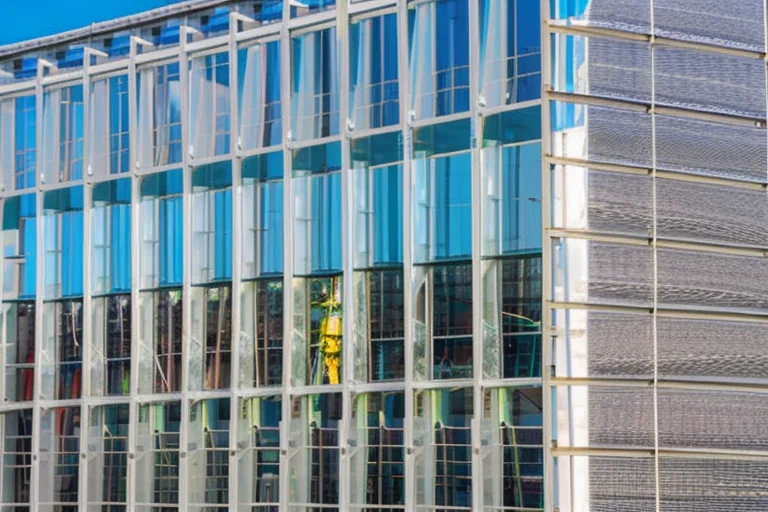
Polycarbonate sheets, especially multiwall or structured panels, offer unique advantages for eco-conscious projects. Their superior insulating properties, often with U-values rivaling double glazing, directly reduce heating and cooling loads. Their high light transmission allows for abundant daylighting, cutting down on artificial lighting energy use—a concept known as “daylight harvesting.” Furthermore, their immense strength and shatter-resistance enhance building safety and longevity, reducing the likelihood of premature failure and replacement. For applications like skylights, canopies, and noise barriers, polycarbonate provides a lightweight yet robust solution that minimizes structural support needs. Proper selection is key: choosing the correct thickness, coating (like UV-resistant layers to prevent yellowing), and color (for light diffusion or solar heat gain control) ensures the material performs optimally for its intended lifespan, which can easily exceed 20-30 years with correct installation.
Installation: Building it Right the First Time
The most sustainable material can fail if installed incorrectly, leading to leaks, thermal breaks, premature degradation, and ultimately, waste. Proper installation is non-negotiable. For polycarbonate and similar systems, this means understanding thermal expansion and contraction. Panels must be mounted with appropriate clearance and using compatible fasteners—typically stainless steel or aluminum with EPDM or silicone washers to prevent galvanic corrosion and ensure a watertight seal. Always follow the manufacturer’s specific guidelines for drilling hole sizes, screw placement, and sealing profiles. The importance of using the right techniques cannot be overstated; a poorly fastened panel is a future problem. For a deep dive into this critical aspect, any serious installer should review essential guidelines for securing panels correctly to ensure system integrity. Furthermore, integrating these panels into the building’s drainage and flashing details is vital to prevent water intrusion, which can compromise insulation and indoor air quality.
Maintenance for Longevity
Sustainable design anticipates and simplifies maintenance. A low-maintenance building envelope preserves resources over time. For polycarbonate products, maintenance is straightforward but important. Regular cleaning with mild soap and water, using soft cloths or sponges, prevents dirt buildup that can slightly reduce light transmission. Avoid abrasive cleaners or solvents that can damage UV-protective coatings. Inspect seals, gaskets, and fasteners periodically, especially after severe weather, to address any minor issues before they become major failures. This proactive approach extends the service life of the material, ensuring it delivers on its promised energy and performance benefits for decades. Remember, the greenest building is the one that already exists and functions well, so preservation through proper care is a core sustainable principle.
Beyond the Building: Site and System Integration
True eco-friendly design looks beyond the walls. It involves thoughtful site planning to preserve natural habitats, manage stormwater through permeable surfaces and rain gardens, and utilize landscaping for natural shading and wind protection. It integrates renewable energy sources, not as an afterthought, but as a primary design element. It also means designing for adaptability and deconstruction—creating spaces that can be easily reconfigured and using connection methods that allow materials to be disassembled and reused rather than demolished and landfilled. This systemic thinking ensures that every component, from the foundation to the roof panels, works in harmony to minimize the project’s overall environmental impact while maximizing resilience and occupant comfort.
Sustainable and eco-friendly design is an achievable standard for modern construction. It demands knowledge, careful planning, and a commitment to quality at every stage. By prioritizing durable, high-performance materials, executing flawless installation, and committing to simple maintenance, we construct buildings that are not only environmentally responsible but also economically sound and healthier for the people who use them. It’s a practical, professional approach to building a better future, one project at a time.
Ready to integrate these principles into your next project? Start by viewing our full product catalog of high-performance building solutions, and for expert guidance tailored to your specific sustainable goals, don’t hesitate to contact our polycarbonate experts today. We’re here to help you build smarter and greener.