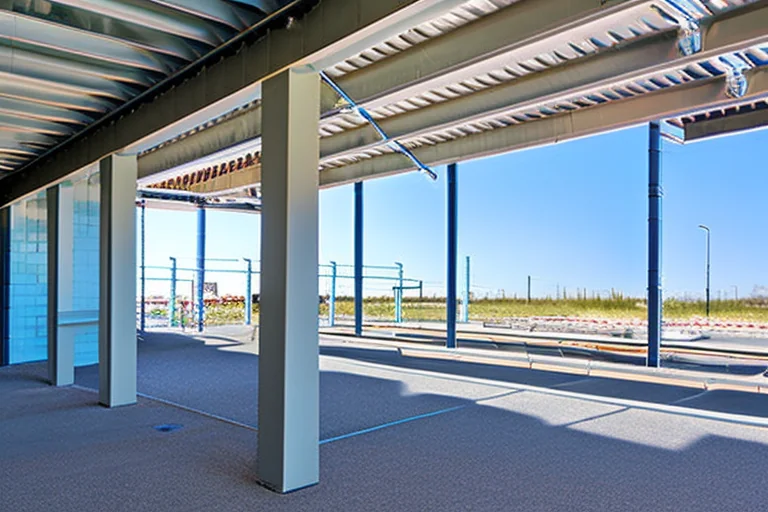
Getting a polycarbonate installation right isn’t just about having the right sheets; it’s about how you secure them. I’ve seen too many projects where beautiful, expensive polycarbonate panels end up cracked, leaking, or warping because someone used the wrong screws, overtightened them, or just didn’t understand how this remarkable material moves. Polycarbonate is not glass, and it’s not standard plastic sheeting. Its incredible impact resistance and light transmission are matched by a significant rate of thermal expansion and contraction. If you don’t fasten it properly, you’re essentially building in stress points that will fail. Think of proper fastening as the foundation for your polycarbonate structure—it’s what allows the material to perform as designed for decades. Whether you’re building a greenhouse, a skylight, a noise barrier, or a protective canopy, mastering these techniques is non-negotiable for a professional, durable result.
Understanding Polycarbonate’s Unique Behavior
Before you even pick up a drill, you need to understand what you’re working with. Polycarbonate is a thermoplastic polymer, which means it gets softer when heated and hardens when cooled. This property gives it a coefficient of thermal expansion that is significantly higher than materials like glass or aluminum. A 10-foot sheet can easily expand and contract by half an inch or more with seasonal temperature swings. If you rigidly clamp it down at every point, that energy has nowhere to go, leading to buckling, stress cracking around fastener holes, and eventual failure. The core principle of fastening polycarbonate is to secure it firmly enough to resist wind uplift and structural loads, but loosely enough to allow for this natural movement. This is a delicate balance achieved through specific hardware and techniques. Ignoring this is the single biggest mistake installers make.
Essential Tools and Materials for the Job
You can’t do professional work with amateur tools. For fastening polycarbonate, your toolkit needs to be precise. First and foremost, you need the right drill bit. A standard twist bit for metal or wood will create rough, micro-cracked holes in polycarbonate. You must use a sharp, high-speed steel (HSS) drill bit or, even better, a carbide-tipped bit designed for plastics. The point angle is critical; a 90-degree or 60-degree point is ideal to prevent “grabbing” and cracking as you drill through. Next are the fasteners themselves. Never use standard wood screws or sheet metal screws. You need self-drilling, self-tapping screws with a broad, pan or hex washer head. The washer must be integrated or, more commonly, a separate sealing washer made from EPDM (ethylene propylene diene monomer) rubber. This washer is your first line of defense against leaks. For applications requiring enhanced safety, such as in certain commercial or public structures, specifying fire-rated polycarbonate panels is crucial, and their installation follows the same fundamental fastening principles while meeting stricter code requirements.
Drilling the Perfect Hole: Size and Spacing
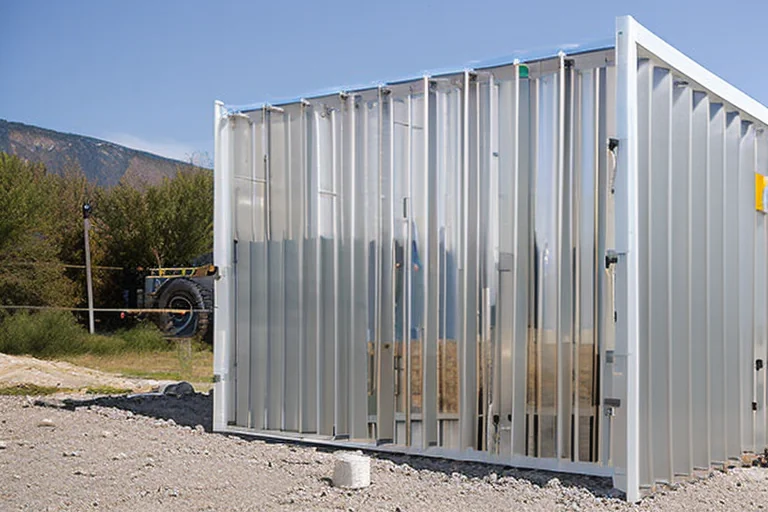
This is where precision pays off. The hole you drill in the polycarbonate sheet must be larger than the diameter of the screw’s shank. A common rule is to drill a hole that is 1/8 inch (3mm) larger than the screw shank. For a 1/4-inch shank, you’d drill a 3/8-inch hole. This oversizing is not a mistake—it’s intentional to create space for thermal movement. The screw will sit loosely in this hole, with the clamping force being applied by the washer head compressing the EPDM seal against the panel surface. Hole spacing is equally important. Fasteners should typically be placed no closer than 1.5 inches from the edge of the panel to prevent blow-out. Along the length of a support purlin, spacing is usually between 12 to 24 inches, depending on the panel thickness, expected wind/snow loads, and the manufacturer’s specifications. Always refer to the engineering data for your specific product. Closer spacing does not mean a better hold; it creates more restriction points for movement.
Step-by-Step Fastening Procedure
Let’s walk through the correct sequence. First, ensure all framing is straight, level, and clean. Lay your polycarbonate sheet in position, making sure it is properly aligned with any drainage channels (for multiwall sheets) oriented correctly. Mark your hole locations on the sheet based on your pre-determined spacing plan, ensuring they align with the center of the supporting structure beneath. Using your sharp HSS drill bit, drill straight down through the polycarbonate only. Do not drill into the substructure yet. Apply gentle, steady pressure—let the bit do the work. After drilling all holes in the sheet, place the sheet back on the frame. Insert your screw with its EPDM washer through the oversized hole. Now, drill the screw into the substructure. As the washer head makes contact, tighten the screw just until the EPDM washer is fully compressed and begins to bulge slightly around the edges. You should see a complete seal. Stop immediately. Overtightening will compress the washer too much, causing it to lose its sealing ability and putting downward pressure on the panel, which can lead to dimpling and stress.
Special Considerations for Multiwall Polycarbonate
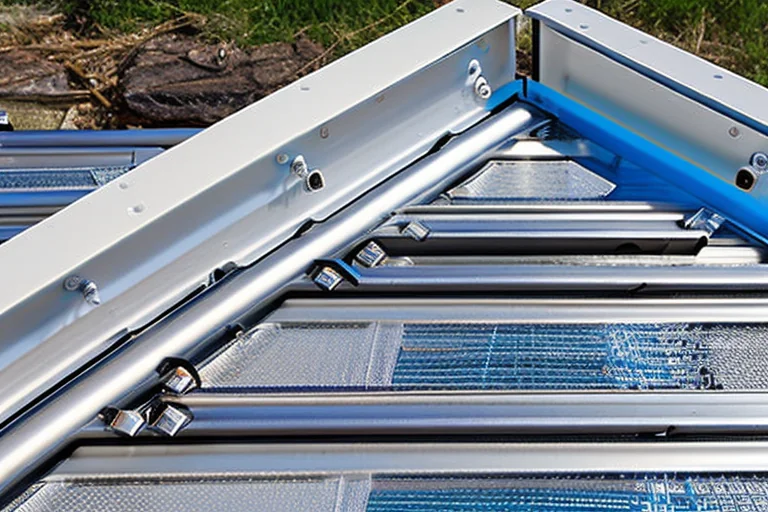
Multiwall or structured polycarbonate sheets, with their air-filled chambers for insulation, require extra care. You must never fasten through the internal ribs or webs. Fasteners must only pass through the solid “landing zones” or “bridges” at the top of the channels. Fastening through a hollow channel will crush it, compromise the panel’s structural integrity and thermal performance, and create a direct path for water and dirt ingress. Always use end caps and proper sealing tape on the ends of multiwall sheets before installation to keep the channels clean and dry. The fastening principles of oversized holes and loose-fit screws apply even more critically here, as the panel has a larger surface area to expand and contract.
Common Fastening Mistakes and How to Avoid Them
Learning what not to do is just as important. The number one error is overtightening. A screw head sunk into the polycarbonate surface is a sure sign of failure. It creates a stress concentration point that will crack. Second is using the wrong fastener—no drywall screws, no bolts without thermal isolating washers. Third is inadequate hole size or spacing, restricting movement. Fourth is failing to account for panel orientation and channel direction on multiwall sheets, which can lead to condensation issues and poor drainage. Finally, a lack of proper perimeter sealing and the use of incompatible sealants (like silicone-based products that can stress-crack polycarbonate) can undermine a perfect fastening job. If you do encounter damage from improper installation, knowing how to proceed is key, and you can find detailed steps in resources like this professional guide on panel replacement.
Long-Term Maintenance and Inspection
A properly fastened polycarbonate installation is remarkably low-maintenance, but it’s not “install and forget.” Schedule an annual inspection, preferably during mild weather. Check all fasteners for tightness—remember, you are only checking that the washer seal is intact, not cranking them down further. Look for any signs of cracking emanating from screw holes, which indicates stress. Inspect the EPDM washers for signs of UV degradation, cracking, or hardening. Clean the panels with mild soap and water, avoiding abrasive cleaners or tools that could scratch the surface. A well-executed fastening job, combined with simple routine checks, will ensure your polycarbonate structure provides clear, strong performance for its entire service life.
Mastering these fastening techniques transforms polycarbonate from a simple sheet material into a reliable, long-term building solution. It respects the material’s properties instead of fighting against them. By using the right tools, following precise drilling and spacing guidelines, and understanding the critical balance between security and flexibility, you ensure a installation that is weatherproof, structurally sound, and visually flawless. Don’t let a simple oversight in fastening compromise your entire project. Ready to get started with the right materials and knowledge? View our full product catalog to find the perfect polycarbonate sheets and compatible fastening systems for your next project, and access our complete resource library for more in-depth installation guides and technical data. For complex applications, consider reaching out to contact our polycarbonate experts today for personalized guidance.