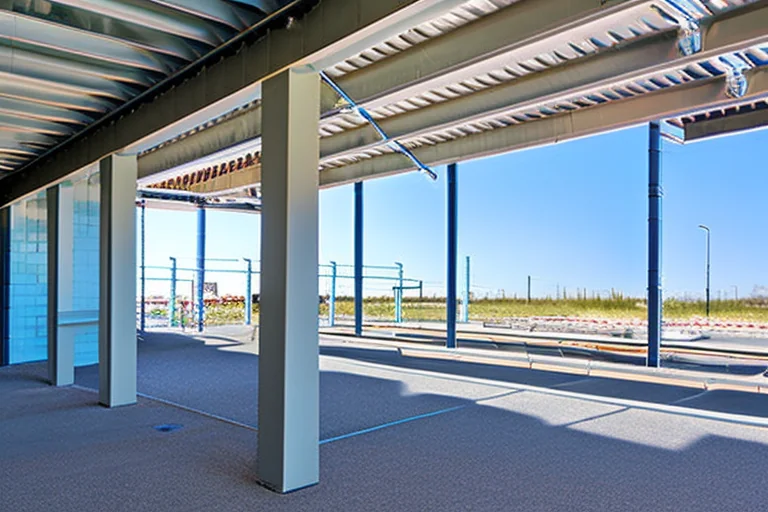
As a construction professional, I’ve seen too many building envelope failures that could have been prevented with a simple, climate-aware maintenance routine. This is especially true for polycarbonate, a material prized for its impact resistance and light transmission, but one that interacts uniquely with its environment. Whether you’re managing a commercial greenhouse, a warehouse skylight, or a residential patio cover, a one-size-fits-all approach to upkeep is a recipe for premature wear. The key to maximizing the lifespan and performance of your polycarbonate installations lies in understanding the specific demands of your local climate and adapting your maintenance calendar accordingly. From the relentless UV exposure of the Southwest to the freeze-thaw cycles of the Northeast and the salt-laden air of coastal regions, each environment presents distinct challenges that require a tailored, seasonal strategy.
Understanding Polycarbonate and Climate Interaction
Before diving into seasonal checklists, it’s crucial to understand why polycarbonate needs climate-specific care. Unlike glass, polycarbonate is a thermoplastic polymer. This gives it fantastic durability and lightweight properties, but it also means it expands and contracts with temperature changes—a property known as thermal movement. All quality polycarbonate sheets come with a co-extruded UV protective layer on at least one side, which is your primary defense against yellowing and embrittlement. However, this layer and the material itself can be degraded by improper cleaning, physical abrasion, or environmental contaminants if not maintained properly. The goal of seasonal maintenance isn’t just cleaning; it’s about proactive inspection and preservation of the material’s inherent properties, ensuring seals remain tight, drainage paths are clear, and the UV shield is intact so your structure continues to perform as designed.
Seasonal Maintenance for Hot & Arid/Sunny Climates
In regions characterized by intense, year-round sun and high temperatures, the primary enemies are ultraviolet radiation, thermal expansion, and dust/sand accumulation. The constant UV exposure is testing the limits of the protective layer daily, while heat drives significant expansion and contraction in the panels.
Spring & Summer Focus: Heat and UV Management
Your major maintenance push should occur in late spring, before the peak summer heat. Inspect all polycarbonate surfaces for any signs of hazing, minor yellowing, or chalkiness, which can indicate UV layer wear. Clean panels thoroughly using a mild soap solution (never abrasive or ammonia-based cleaners) and a soft cloth or sponge. Rinse with plenty of water to prevent soap residue, which can bake onto the surface and attract more dust. This is also the time to critically check all perimeter seals, flashings, and screw caps. Extreme heat can cause sealants to dry out and crack. Ensure all fasteners in the framing are secure but not overtightened, allowing for the natural thermal movement of these multi-wall sheets. Clear any debris from gutters or channels to prevent water ponding, which can magnify heat and lead to algae growth.
Fall & Winter Checklist: Post-Season Inspection
Even in warm climates, cooler winter temperatures cause contraction. In fall, reinspect the seals and fasteners you checked in spring. Look for any new gaps that may have opened up. Remove any accumulated organic debris, like leaves, which can trap moisture. This is also an ideal time to consider adding shade cloths for structures like greenhouses to reduce the thermal load during the next summer cycle.
Seasonal Maintenance for Cold & Snowy Climates
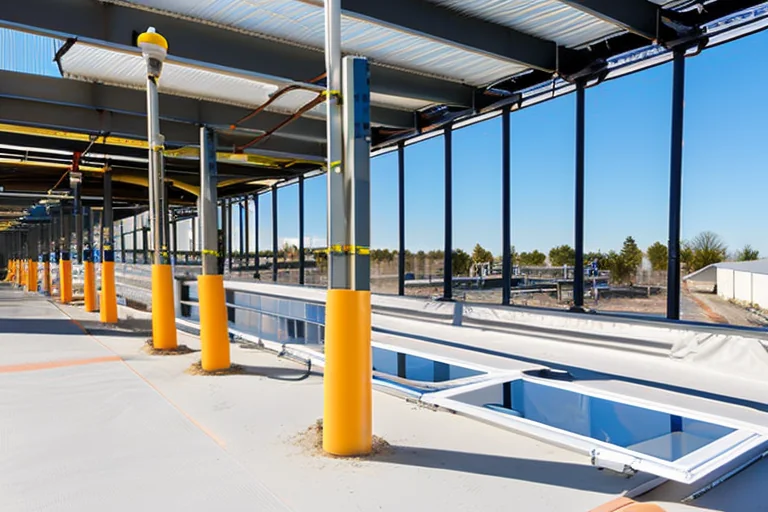
For northern climates, the challenges shift dramatically to snow load, ice damming, freeze-thaw cycles, and the low-angle winter sun. The weight of snow is the most immediate concern, but the repeated freezing and thawing of moisture in joints can be just as damaging over time.
Fall Preparation: The Critical Pre-Winter Audit
Before the first frost, a comprehensive inspection is non-negotiable. Ensure the entire supporting structure (purlins, rafters, frames) is sound and rated for your local snow load. Clean the polycarbonate panels completely; dirt reduces light transmission when days are shortest and can trap heat unevenly, contributing to ice dam formation. Verify that all weep holes (the tiny openings at the ends of hollow polycarbonate sheets) are completely unobstructed. These are vital for allowing condensation inside the channels to drain; if blocked, trapped water can freeze, expand, and crack the panels from the inside. Check and replace any worn gaskets or sealants around the panels to prevent cold air and moisture infiltration.
Winter Vigilance: Managing Snow and Ice
During winter, monitor snow accumulation regularly. While polycarbonate is strong, excessive, wet snow can exceed design loads. Use a soft push broom—never a metal shovel or ice scraper—to gently remove snow. Always push in the direction of the panel channels (usually the slope direction) to avoid scratching. Never chip at ice bonded to the surface, as this can damage the UV coating. Allow ice to melt naturally. Ensure heating cables or de-icing systems near edges are functioning if installed.
Spring Thaw: Assessing the Damage
As the snow melts, inspect for any deflection or sagging that may have occurred. Look carefully for new leaks, especially at seams and penetrations, which may have been revealed by freeze-thaw cycles. Clean the panels again to remove any grime from winter and inspect for any scratches or damage that might have happened during snow removal.
Seasonal Maintenance for Coastal & High-Humidity Climates
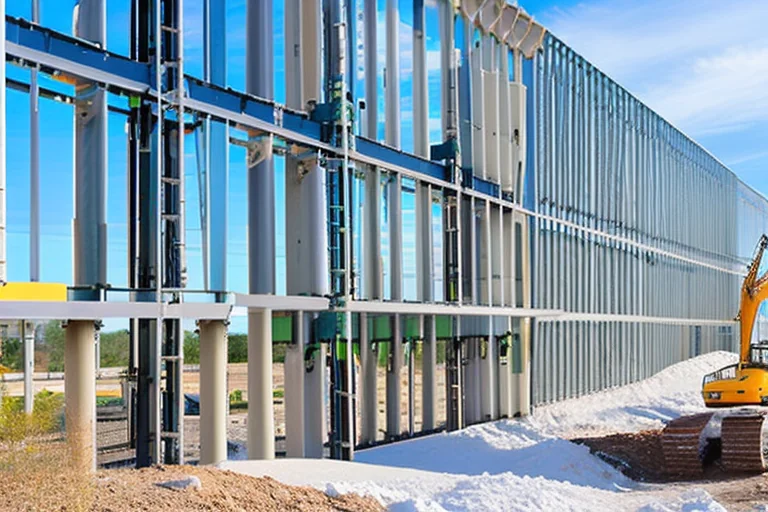
Salt spray, constant moisture, and high humidity create a perfect storm for corrosion and biological growth. The salt is particularly aggressive, as it can corrode metal frames and fasteners and degrade certain sealants, while the moisture encourages mold, mildew, and algae on surfaces.
Frequent, Gentle Cleaning is Key
In these environments, maintenance needs to be more frequent. A quarterly rinse with fresh water is recommended to wash away salt deposits before they can crystallize and cause abrasion or corrosion. For cleaning, use fresh water and a very mild detergent. Pay special attention to washing the underside of structures where salt spray can creep and accumulate. Inspect all aluminum or steel frames, fasteners, and hinges for the white powder of salt corrosion (oxidation). Touch up any scratches in protective powder coatings immediately.
Focus on Ventilation and Drainage
Prevent moisture buildup, which leads to algae. Ensure all ventilation systems in enclosures like pool covers or patio roofs are working optimally. Keep drainage channels and weep holes scrupulously clean. In the fall, be extra diligent about removing leaves and organic matter that can hold moisture against the panels and frames through the wet winter months.
Universal Annual Maintenance Tasks for All Climates
Regardless of your zip code, certain tasks form the bedrock of good polycarbonate stewardship. First, always use the correct cleaning materials: soft cloths, non-abrasive sponges, mild pH-neutral soap, and plenty of water. Second, perform a detailed annual inspection of the entire system—not just the panels. This includes the structural frame, every fastener, all sealants, flashings, and rubber gaskets. Look for hairline cracks, brittleness, or compression failure. Third, keep detailed records of your inspections and any maintenance performed. This log will help you spot recurring issues and plan for component replacement before a failure occurs. For complex installations, consulting a detailed professional guide can help you understand what to look for during these inspections.
Conclusion: An Investment in Longevity
Treating seasonal maintenance as a necessary chore misses the point. It is a proactive investment that pays dividends in the extended service life, maintained aesthetic, and uninterrupted performance of your polycarbonate structures. By tailoring your approach to combat the specific threats posed by your local climate—be it UV degradation, snow load, or salt corrosion—you protect the material’s clarity, strength, and insulating properties. This disciplined, seasonal approach prevents minor issues from becoming major, costly repairs, ensuring your greenhouses remain productive, your skylights stay bright and leak-free, and your patio covers provide comfortable shade for years beyond their expected lifespan.
Ready to build with confidence or ensure your existing installation lasts? Don’t navigate climate challenges alone. View Our Full Product Catalog to find the right polycarbonate solution engineered for durability, or Contact Our Polycarbonate Experts Today for personalized advice on maintenance plans and product selection tailored to your specific regional needs.