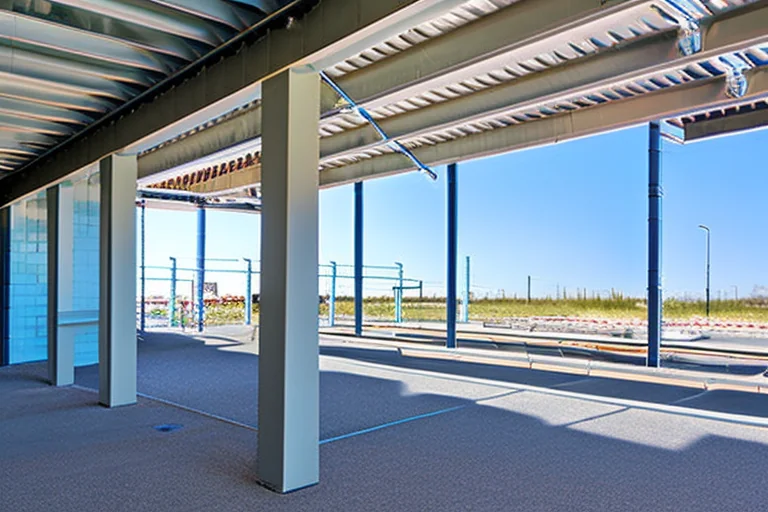
As the days grow shorter and the first frost settles in, your thoughts might turn to winterizing your home or business. But if you have polycarbonate structures—whether it’s a backyard greenhouse, a commercial skylight, or an industrial canopy—they need specific attention to brave the cold months successfully. Polycarbonate is renowned for its incredible strength, light transmission, and insulation properties, but winter throws a unique set of challenges its way: heavy snow loads, freezing ice, expansion and contraction, and abrasive debris. Ignoring these factors can lead to reduced light transmission, compromised seals, or even structural stress. The good news is that with a bit of knowledge and some proactive care, you can ensure your polycarbonate installations not only survive the winter but continue to perform flawlessly. This guide will walk you through the essential winter maintenance practices from a professional standpoint, helping you protect your investment and enjoy the benefits of this versatile material year-round.
Understanding Polycarbonate in Cold Climates
Before diving into maintenance tasks, it’s crucial to understand how polycarbonate behaves when the temperature drops. Unlike glass, polycarbonate is a thermoplastic, meaning its physical properties are influenced by temperature. One of the most important concepts is thermal expansion and contraction. Polycarbonate panels will naturally expand in heat and contract in the cold. Quality installation accounts for this movement with proper spacing and the use of thermal expansion profiles. In winter, as panels contract, any installation that was too tight in the summer can create stress points or cause fasteners to pull. Furthermore, the multiwall or structured sheets provide excellent thermal insulation (high R-value), which actually helps reduce heat loss and prevents rapid ice melt-and-refreeze cycles that can be damaging. However, this same insulating air gap can trap moisture if the ends are not properly sealed, leading to internal condensation and potential algae growth or reduced clarity. Knowing that the material itself is highly impact-resistant—even more so in the cold—is reassuring, but the supporting framework and seals are often the vulnerable points during winter stress.
Pre-Winter Preparation: The Proactive Approach
The best winter maintenance begins in the fall. A thorough inspection and cleaning before the first snow flies can prevent most major issues. Start with a visual inspection of the entire structure. Look for any existing cracks, scratches, or hazing on the panels. While small surface scratches are often cosmetic, deeper ones can become stress concentrators under heavy snow load. Check all seals, especially the silicone at the panel edges and where the panels meet frames or other building materials. Cold weather makes silicone less flexible, so any existing cracks or gaps will only worsen. Ensure all weep holes (the small openings at the ends of multiwall panels) are completely clear of debris, dirt, or insect nests. These holes are critical for allowing condensation to drain and for equalizing air pressure inside the channels.
Next, give the panels a proper clean. Use a mild soap solution (like dish soap) and lukewarm water. Avoid abrasive cleaners, scouring pads, or harsh chemicals like acetone, gasoline, or ammonia-based window cleaners, as these can damage the protective UV coating. A soft cloth or a sponge with a lot of water is your best bet. Rinse thoroughly. This cleaning isn’t just for looks; it removes dirt and organic material that can trap moisture and freeze, potentially damaging the surface, and it ensures maximum light transmission during the dim winter months. Finally, inspect the structural framework. For aluminum profiles, ensure all screws and bolts are tight and that there is no corrosion. Wooden frames should be checked for rot and treated if necessary. A secure frame is your first line of defense against snow accumulation.
Safe Snow and Ice Removal Techniques
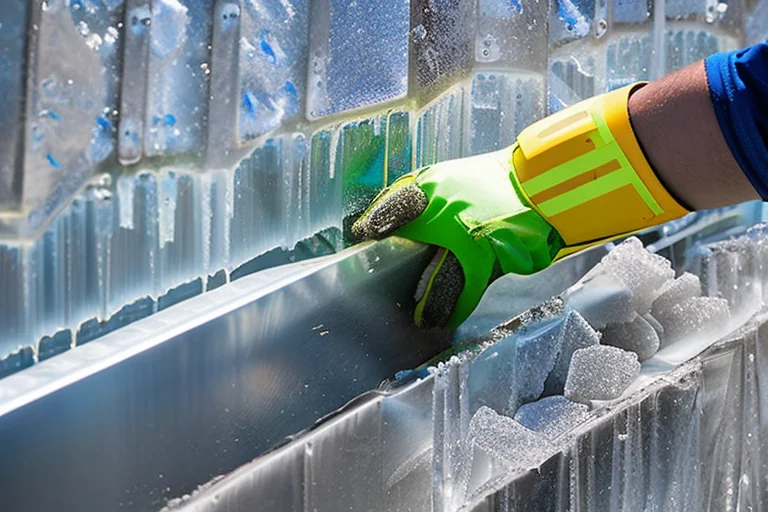
This is where most winter damage occurs—through well-intentioned but improper clearing methods. The golden rule: never use a metal shovel, ice chopper, or any sharp tool on polycarbonate. The material is impact-resistant, but it can still be scratched, which compromises its clarity and UV protection. For snow, use a soft-bristled push broom or a specialized polycarbonate snow rake with a non-abrasive edge. Always push the snow off; never scrape. Work from the peak downward if possible, and try to remove snow before it becomes compacted or begins to melt and refreeze into ice. For heavier snow loads, it’s often best to remove it in stages rather than waiting for a massive accumulation.
Ice removal requires even more patience. Never pour boiling water on frozen polycarbonate panels! The extreme thermal shock can cause cracking. Instead, allow ice to melt naturally if possible. If you must intervene, use a plastic ice scraper (the kind for car windows) very gently. You can also use a solution of isopropyl alcohol (rubbing alcohol) and water in a spray bottle to help melt ice at the edges. The key is gentleness. It’s better to leave a thin layer of ice than to risk gouging the surface. For large commercial structures, consulting with professionals on engineered polycarbonate solutions designed for specific snow loads in your region is a wise long-term strategy.
Managing Condensation and Moisture
Winter often brings issues with condensation, especially in enclosed spaces like greenhouses or sunrooms. While polycarbonate itself won’t rust or rot, excessive moisture can drip onto plants, equipment, or flooring, and in multiwall panels, internal condensation can cloud the channels. To manage this, first ensure adequate ventilation. Even in cold weather, some air exchange is necessary to reduce humidity buildup. In a greenhouse, this might mean running exhaust fans intermittently. Second, verify that the previously mentioned weep holes are open. These are the escape routes for any moisture that does condense inside the panel’s channels. If you see persistent internal fogging that doesn’t clear, it may indicate that the end caps or tape seals have failed, allowing moist air to enter the channels. This might require a professional assessment when the weather warms.
Addressing Winter-Specific Damage and Wear
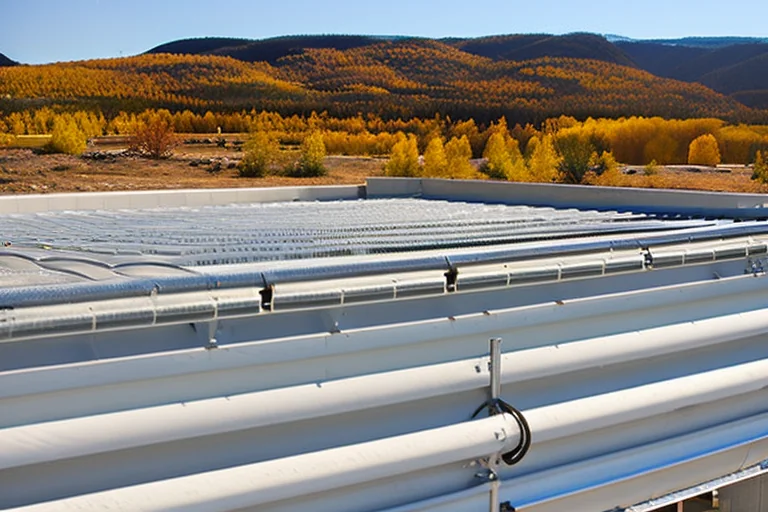
Be vigilant for signs of stress during the winter. Listen for creaking or popping sounds from the structure during large temperature swings—this is often normal thermal expansion noise, but loud cracking is not. After any major snowstorm or ice event, do a visual check for new sagging, bowing, or deformation in the panels or framework. Pay special attention to the areas around fasteners. If you notice a panel has become dislodged or a seal has split, address it as soon as conditions are safe. For minor sealant cracks, you can sometimes apply a bead of cold-weather-grade silicone sealant, but ensure the surface is clean and dry for the best adhesion. Remember, repairs in freezing temperatures are rarely ideal; most sealants and adhesives require specific temperature ranges to cure properly. A temporary fix may be necessary until a permanent repair can be made in milder weather.
Post-Winter Assessment and Care
Once spring arrives, conduct a full post-winter inspection. This is the time to assess any damage that may have occurred and plan for repairs. Clean the panels thoroughly again to remove any salt residue (from roads or walkways), pollen, and the grime of winter. Inspect for new scratches or hazing that might have been caused by abrasive snow or improper clearing. Check the integrity of every seal and the tightness of all framework connections. Look for any standing water or debris in the channels or on flat sections of framing. Addressing these issues in the spring ensures your structure is ready for the summer sun and prevents small problems from becoming big, costly repairs later. Following a consistent seasonal maintenance cycle is the most effective way to maximize the lifespan and performance of your polycarbonate installation.
Winter doesn’t have to be a threat to your beautiful and functional polycarbonate structures. With an understanding of the material’s behavior and a commitment to gentle, proactive care, you can enjoy their benefits in every season. The key is respecting the material—using the right tools, avoiding harsh chemicals and abrasives, and addressing issues promptly. By following these guidelines, you ensure that your greenhouse stays productive, your skylights remain crystal clear, and your canopies stand strong under the weight of winter, year after year.
Ready to ensure your structures are winter-ready or need help planning a new project built to withstand the elements? View Our Full Product Catalog to explore panels designed for heavy snow loads, or Contact Our Polycarbonate Experts Today for personalized advice on maintenance and installation. For more in-depth guides, Access Our Complete Resource Library.