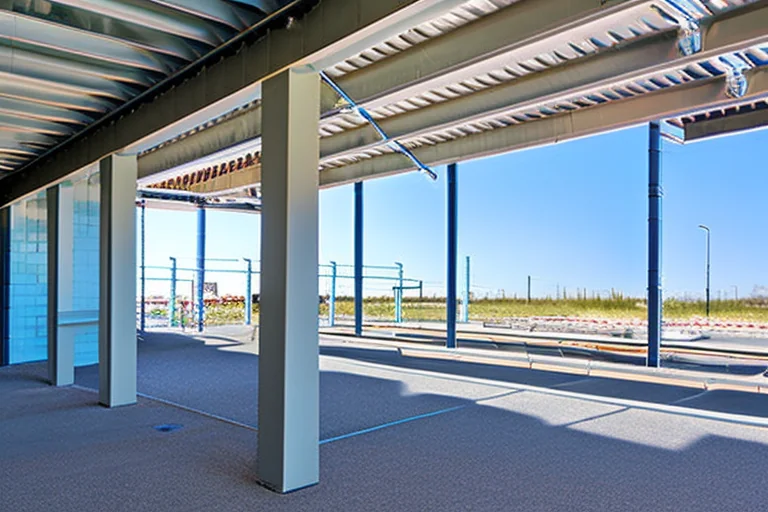
Building a polycarbonate greenhouse is a fantastic step toward year-round growing, but the structure itself is only half the equation. The real magic—and the key to your success—happens with the environment you create inside. Think of your greenhouse as a living, breathing ecosystem. Without proper airflow, that ecosystem can quickly become a hostile environment for plants, plagued by excessive heat, stifling humidity, and stagnant air that invites disease. Ventilation isn’t just an optional add-on; it’s the essential circulatory system for your greenhouse. As a construction professional, I’ve seen too many projects where the focus was solely on the panels and frame, leaving ventilation as an afterthought. This guide will walk you through everything you need to know about designing, installing, and maintaining an effective ventilation system for your polycarbonate greenhouse, ensuring your plants thrive in a perfectly balanced climate.
Why Ventilation is Non-Negotiable for Greenhouse Health
Let’s start with the fundamentals. A sealed polycarbonate greenhouse is a solar collector. Sunlight passes through the panels, warms the interior surfaces and plants, and the resulting heat is trapped inside. This is the greenhouse effect, and without intervention, temperatures can soar to lethal levels for plants in a matter of hours, even on a cool, sunny day. But temperature control is just one piece of the puzzle. Plants constantly transpire, releasing water vapor into the air. In an enclosed space, this leads to high relative humidity. While some humidity is good, excessive levels create a breeding ground for fungal pathogens like powdery mildew and botrytis. Furthermore, plants consume carbon dioxide (CO2) during photosynthesis. In a stagnant greenhouse, CO2 levels can deplete rapidly during the day, slowing plant growth. A well-designed ventilation system addresses all three issues simultaneously: it exhausts hot air, removes excess moisture, and replenishes the CO2 supply with fresh outside air. It also strengthens plant stems by creating gentle air movement, preventing them from becoming weak and leggy.
Types of Greenhouse Ventilation Systems
There are two primary approaches to moving air through your greenhouse: natural and mechanical. The best choice for your project depends on its size, your climate, your budget, and the level of control you desire.
Natural Ventilation: Harnessing Physics
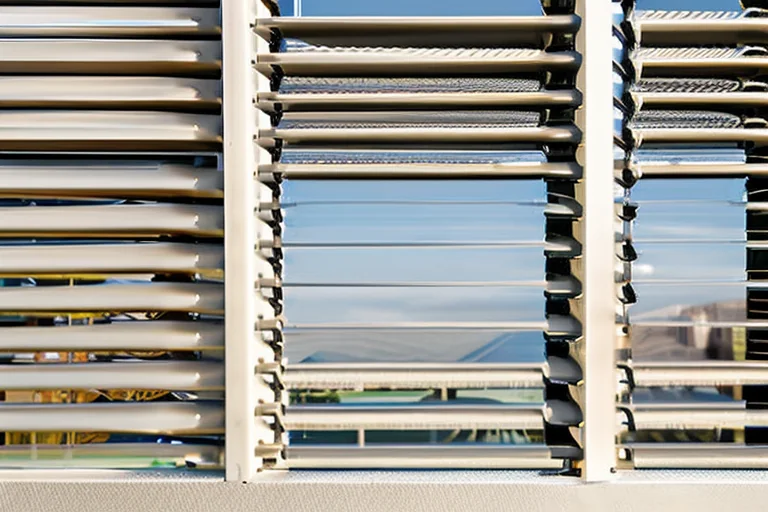
Natural ventilation relies on basic principles of physics—hot air rises, and wind creates pressure differences. It’s achieved through strategically placed vents, typically in the roof (ridge vents) and the sides (sidewall or louvers). As the sun heats the air inside, it rises and escapes through the roof vents. This creates a vacuum that pulls cooler, fresh air in through the side vents. This “stack effect” is enhanced by wind blowing across the roof, which further pulls air out. The key to effective natural ventilation is having enough total vent area. A common rule of thumb is that the combined area of roof and side vents should equal 15-25% of the greenhouse’s floor area. For polycarbonate structures, using temperature-regulating panels can work in tandem with your vents by diffusing light and reducing some initial heat load, but they do not replace the need for active air exchange. Natural systems are energy-efficient and quiet, but their performance is entirely dependent on weather conditions and may not be sufficient for larger commercial operations or in climates with little wind.
Mechanical Ventilation: Precision and Power
For maximum control, especially in larger greenhouses, mechanical ventilation is the answer. This system uses electrically powered exhaust fans, typically mounted on one end wall, and intake shutters or vents on the opposite end. The fans create a powerful, consistent pull of air through the entire length of the structure. Sizing is critical: fan capacity is measured in cubic feet per minute (CFM), and you need enough total CFM to exchange the entire volume of the greenhouse air at least once per minute. This is known as the “one air change per minute” standard, a benchmark for effective cooling. Mechanical systems allow for precise management of temperature and humidity, independent of outside wind conditions. They are often paired with evaporative cooling pads (wet wall systems) for dramatic summer cooling. While they have higher upfront and operational costs, the payoff is in reliable, year-round climate control that can significantly boost production and plant quality.
Designing and Sizing Your System
Good design is where theory meets practice. First, calculate your greenhouse’s volume (length x width x average height). For mechanical systems, this gives you your target minimum exhaust fan CFM. Always add a safety factor of 10-20% to account for fan wear, dirty filters, or unusually hot weather. Fan placement is crucial; they should be installed on the leeward side (the side away from prevailing winds) to prevent wind from fighting against the fan. Intake areas should be 1.2 to 1.5 times the total fan area to ensure easy air entry without creating a vacuum. For natural systems, map out your vent placement carefully. Roof vents should run along the peak for maximum hot air escape. Side vents should be low to the ground to allow cool air intake and should be installed on both sides to catch breezes from any direction. Automated vent openers, which use a thermal wax cylinder to open and close vents without electricity, are a brilliant, low-maintenance upgrade for natural systems.
Integration with Automation and Controls
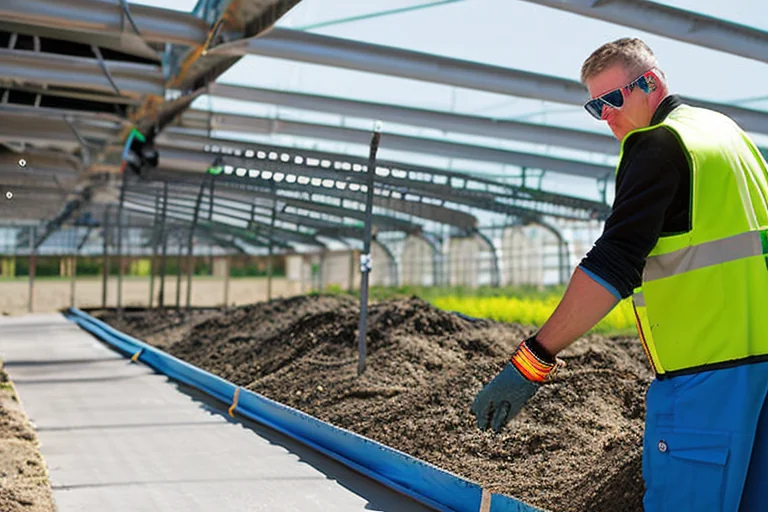
Modern greenhouse management is about automation. A basic thermostat can turn an exhaust fan on and off, but today’s integrated environmental controllers are game-changers. These systems can monitor temperature, humidity, light intensity, and even CO2 levels. They can be programmed to stage multiple fans, activate cooling pads, open and close motorized vents, and trigger heating systems—all based on your precise setpoints. For example, the controller might open roof vents slightly on a cool morning to manage humidity, then ramp up exhaust fans as the temperature climbs, and finally activate the misting system if humidity drops too low. This level of control not only optimizes plant growth but also conserves energy by preventing systems from working against each other. Integrating your ventilation with such a controller transforms your greenhouse from a manual project into a finely tuned production facility.
Installation Tips and Long-Term Maintenance
Proper installation ensures performance and longevity. When cutting openings in polycarbonate for fans or vents, always use a fine-toothed blade and support the panel to prevent vibration and cracking. Seal all perimeter gaps with appropriate greenhouse-grade sealant or gaskets to prevent air leaks that short-circuit your ventilation flow. For fan installations, ensure the mounting is rigid and vibration-isolated to reduce noise. Electrical components must be installed to code and protected from the humid environment with proper conduit and GFCI outlets. Once operational, maintenance is simple but vital. Fan blades and shutters should be cleaned monthly during peak season to prevent dust buildup from reducing airflow. Lubricate motor bearings annually according to the manufacturer’s instructions. Check that automated vent arms move freely and aren’t obstructed by debris or plant growth. Inspect polycarbonate panels around vents for stress cracks. A consistent maintenance routine is your best defense against system failure on the hottest day of the year. For a deeper dive into preserving your entire structure, reviewing a seasonal maintenance checklist for polycarbonate is an excellent next step.
Getting your ventilation system right is what separates a productive greenhouse from a frustrating one. It requires careful planning from the initial design phase, quality components, and a commitment to regular upkeep. By understanding the principles and options outlined here, you can create a stable, healthy environment that allows your plants to reach their full potential. Your polycarbonate panels provide the light and shelter; your ventilation system provides the breath of life.
Ready to build or upgrade your greenhouse climate control system? Don’t leave your project to chance. View Our Full Product Catalog to explore high-quality exhaust fans, louvers, automated controllers, and premium polycarbonate panels designed to work together seamlessly. For complex installations or custom designs, Contact Our Polycarbonate Experts Today for personalized advice and professional support to ensure your ventilation solution is perfectly engineered for success.