When you’re specifying materials for outdoor structures, few factors are as critical as UV protection—especially when working with polycarbonate sheets. I’ve seen too many projects where inadequate UV shielding led to premature yellowing, embrittlement, and catastrophic failure within just a few years. The good news is that modern polycarbonate technology has evolved dramatically, offering solutions that can maintain their integrity and optical clarity for decades, even in the harshest sun exposure conditions. Understanding how this protection works, what to look for in product specifications, and how to install these sheets properly will save you from costly replacements and client dissatisfaction down the road.
Why UV Protection Matters for Polycarbonate
Polycarbonate is an incredibly durable polymer, but like many plastics, it’s vulnerable to ultraviolet radiation from sunlight. Without proper protection, the polymer chains break down through a process called photo-degradation. This isn’t just a cosmetic issue—it fundamentally changes the material’s properties. You’ll notice yellowing first, which reduces light transmission significantly. Then comes surface micro-cracking, followed by embrittlement that compromises the sheet’s structural integrity. In roofing applications, this can lead to leaks; in security glazing, it creates safety hazards. The economic impact is substantial too—I’ve seen projects where unprotected sheets needed replacement after just 2-3 years, while properly protected versions lasted over 20 years with minimal maintenance.
How UV Protection Technology Works
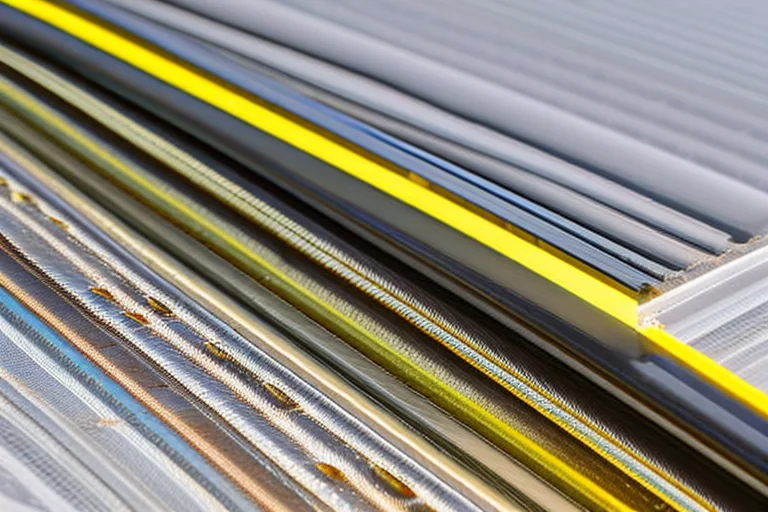
Modern UV protection isn’t just a surface coating that wears off. The gold standard is co-extrusion technology, where a permanent UV-protective layer is bonded to the sheet during manufacturing. This layer contains special UV-absorbing compounds that act as sacrificial molecules, absorbing the harmful radiation before it can reach the main polycarbonate substrate. Think of it as a sunscreen that’s literally built into the material rather than just painted on. Some manufacturers also incorporate UV blockers throughout the entire sheet matrix for additional protection. The thickness of this protective layer matters too—quality sheets typically have 30-50 micron co-extruded layers that provide decades of protection rather than the thinner 5-10 micron coatings found on budget products.
Co-extrusion Versus Surface Coatings
There’s a significant difference between co-extruded UV protection and simple surface coatings. Surface coatings, while cheaper initially, wear away over time through weathering, cleaning, and environmental exposure. I’ve inspected failed installations where the coating had eroded completely on the weather-facing side, while the underside remained protected but useless. Co-extruded protection, however, maintains its effectiveness because even as the very surface erodes microscopically over years, fresh UV-absorbing material remains exposed. This is why reputable manufacturers guarantee their UV protection for 10, 15, or even 20 years—they know the technology works. When selecting sheets, always verify the protection method in the technical data sheets.
Applications Where UV Protection is Critical
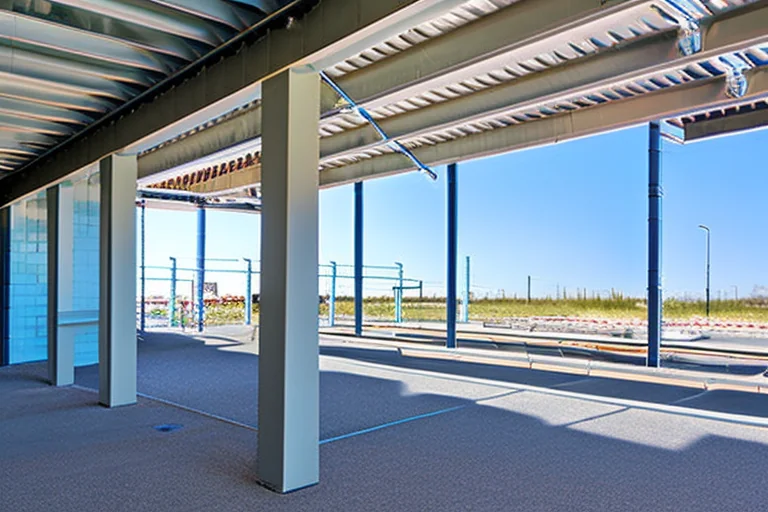
Any exterior application demands robust UV protection, but some environments are particularly punishing. Greenhouse glazing experiences constant UV exposure and must maintain light transmission for plant growth. Industrial skylights in warehouses and factories need to withstand decades of sun without becoming brittle and hazardous. Swimming pool enclosures combine UV exposure with chemical resistance challenges. Architectural features like canopies and walkway covers require both aesthetic consistency and structural reliability. Even interior applications near windows benefit from UV-protected sheets to prevent color fading of furnishings beneath. I recently worked on a project using specialized profile accessories that complemented the UV-protected sheets perfectly for a seamless installation.
Installation Best Practices for UV-Protected Sheets
Proper installation is crucial to maintaining the integrity of UV protection. Always install sheets with the UV-protected side facing outward toward the sun—this seems obvious, but I’ve seen installations where this was done backward. Use appropriate fasteners with UV-resistant washers to prevent point degradation. Allow for thermal expansion by not over-tightening fasteners and using proper design principles that account for material movement. Cut sheets carefully to avoid damaging the protective layer edges, and seal cut edges when possible. The mounting framework should provide adequate support without creating stress points that could lead to micro-fractures over time.
Maintenance and Long-Term Performance
Maintaining UV-protected polycarbonate sheets is straightforward but important. Clean them regularly with mild soap and water using soft cloths or sponges—never abrasive pads or harsh chemicals that could damage the surface. Inspect seals and fasteners annually to ensure water isn’t trapping against the sheets, which can create localized degradation. In snowy regions, remove heavy snow accumulation carefully using plastic tools rather than metal shovels. With proper care, high-quality UV-protected polycarbonate should maintain over 90% of its impact strength and light transmission after 10-15 years of service. Documented case studies show some installations performing excellently beyond 25 years in moderate climates.
Verifying UV Protection Quality
Don’t just take marketing claims at face value. Request technical data sheets that specify the UV protection method (co-extrusion preferred), protective layer thickness, and accelerated weathering test results. Look for certifications from recognized testing organizations. Reputable manufacturers provide warranties specifically addressing UV degradation, not just general product defects. Compare light transmission retention percentages after equivalent accelerated weathering hours—quality sheets will show minimal change, while inferior products demonstrate significant yellowing and transmission loss. When in doubt, ask for sample pieces to conduct your own preliminary tests or consult with technical representatives who can explain the testing methodology behind their claims.
Cost Considerations and Value Analysis
UV-protected polycarbonate sheets typically cost 15-30% more than unprotected versions, but this premium represents excellent value when considering lifecycle costs. Factor in replacement labor, downtime, and disposal costs for premature failures. In commercial applications, the maintained light transmission translates to reduced lighting costs. The safety aspect is invaluable—I’ve witnessed unprotected sheets shatter unexpectedly, creating hazardous situations and potential liability issues. When budgeting projects, present clients with the long-term value proposition rather than just initial cost differences. Most understand that paying slightly more upfront for decades of reliable performance is a smart investment.
Ready to specify the right UV-protected polycarbonate for your next project? View our full product catalog to compare specifications and performance data, or contact our polycarbonate experts today for personalized recommendations based on your specific application requirements and environmental conditions. For comprehensive technical guidance, access our complete resource library featuring installation guides, case studies, and detailed material specifications.