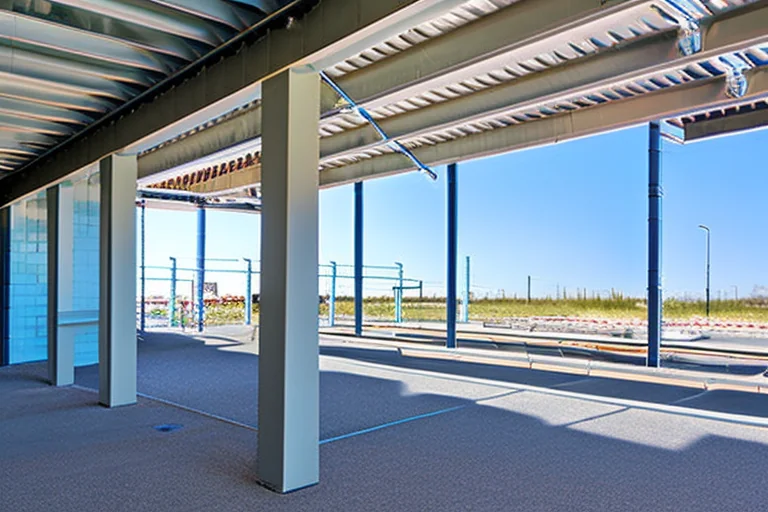
When you’re planning a car park or canopy project, the choice of roofing material isn’t just about cost—it’s about long-term performance, safety, and aesthetics. For years, traditional options like metal, fabric, or glass have dominated the scene, but there’s a modern material that’s changing the game: polycarbonate. As a construction professional, I’ve seen firsthand how polycarbonate sheets offer a unique blend of durability, versatility, and efficiency that makes them an outstanding choice for shading solutions. From sprawling commercial parking lots to elegant residential carports, polycarbonate provides the protection you need without the drawbacks of heavier, more fragile, or less efficient alternatives. Let’s dive into why this engineered plastic is becoming the go-to material for savvy builders and property owners.
Why Polycarbonate is the Superior Choice for Shade Structures
The decision to use polycarbonate for a car park or canopy isn’t arbitrary; it’s based on a compelling set of physical and economic properties. First and foremost is its incredible impact resistance. Polycarbonate is virtually unbreakable, boasting up to 250 times the impact strength of standard glass. This means it can withstand hail, falling branches, and accidental impacts that would shatter glass or dent metal, significantly reducing maintenance costs and safety hazards. Secondly, it offers excellent UV protection. High-quality polycarbonate sheets come with a co-extruded UV-resistant layer that blocks over 99.9% of harmful UV rays. This protects vehicles’ paint and interiors from sun damage while also ensuring the material itself doesn’t yellow or degrade prematurely. Furthermore, polycarbonate is remarkably lightweight. This reduces the structural load on support frames, allowing for longer spans and potentially lower material costs for the supporting steel or aluminum. When you combine these traits with its inherent flexibility (allowing for curved, modern designs) and excellent fire-retardant ratings, you have a material that is not just an alternative, but often the optimal solution for demanding outdoor applications.
Types of Polycarbonate Sheets for Parking and Canopy Projects
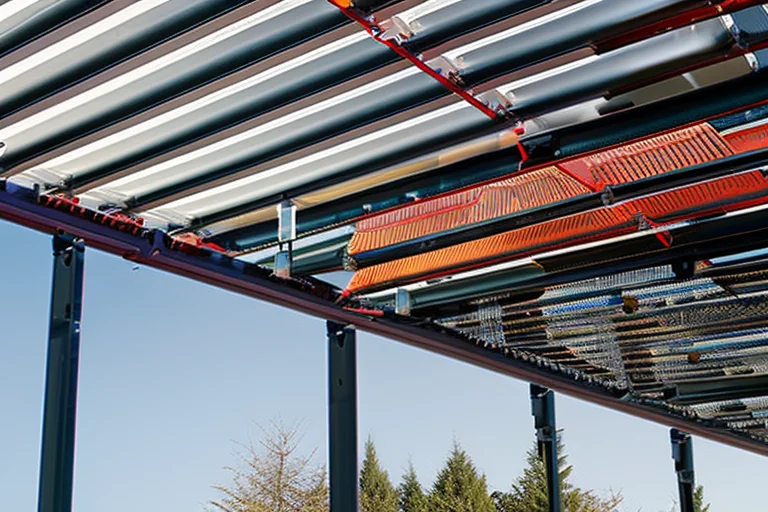
Not all polycarbonate is created equal, and selecting the right profile is crucial for your project’s success. The two primary categories for shade structures are multiwall and solid (or corrugated) sheets. Multiwall polycarbonate, often with two, three, or more walls, is the champion of thermal insulation and light diffusion. The air pockets between the walls create a barrier that provides excellent thermal efficiency, keeping shaded areas cooler in summer and reducing heat loss in covered walkways. This makes multiwall ideal for large commercial car parks where temperature moderation and even, glare-free light are priorities. On the other hand, solid polycarbonate sheets, including options like a decorative corrugated panel, offer maximum durability and a more traditional, streamlined appearance. These are excellent for applications where maximum light transmission or a specific architectural aesthetic is desired, such as for gas station canopies or residential carports. Within these categories, you can choose from clear, tinted (bronze, grey, opal), or even opaque colors to control light levels, reduce glare, and enhance the visual appeal of the structure.
Key Design and Installation Considerations
A successful polycarbonate installation hinges on proper planning and execution. Design starts with understanding local building codes for wind, snow, and seismic loads. Polycarbonate’s light weight is an advantage, but the entire structural system must be engineered correctly. Slope is critical; a minimum pitch is required to ensure proper water drainage and prevent ponding, which can lead to dirt accumulation and increased load. When it comes to framing, aluminum is the most common and compatible choice due to its corrosion resistance and thermal expansion rate similar to polycarbonate. It’s vital to use proper mounting hardware, including thermal expansion-compatible screws with EPDM or silicone washers to create a watertight seal without over-compressing the sheet. Panels must never be installed tightly; adequate space must be left for thermal expansion and contraction, which is more pronounced in polycarbonate than in metal. Following detailed installation best practices from the sheet manufacturer is non-negotiable to avoid leaks, stress cracks, and premature failure.
Applications Beyond the Standard Car Park
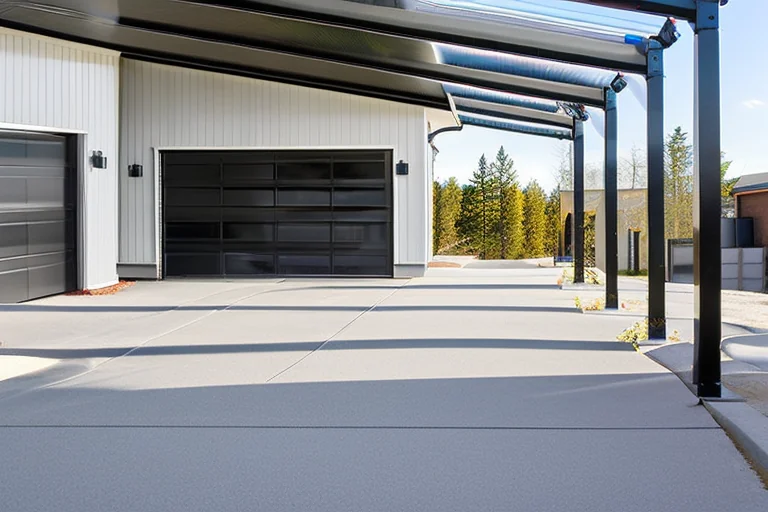
While shading vehicles is a primary function, the utility of polycarbonate canopies extends far beyond the parking stall. In commercial settings, they create covered walkways between buildings, protecting pedestrians from rain and sun. For schools and recreational facilities, they provide shade over playgrounds, picnic areas, and swimming pool decks. Industrial sites use heavy-duty polycarbonate canopies to shield loading docks, machinery, and outdoor storage areas. In the residential sector, the applications are equally diverse: creating a covered patio or terrace, building a garden greenhouse, or constructing a sleek, modern carport that enhances curb appeal. The material’s ability to be cold-curved on-site allows for dramatic architectural statements with barrel-vaulted or wave-form roofs that are both functional and visually striking. This adaptability makes polycarbonate a single-source solution for a wide range of exterior coverage needs across multiple industries.
Long-Term Maintenance and Care
One of the most attractive features of polycarbonate is its low maintenance requirement, but “low” doesn’t mean “none.” Proper care ensures decades of clear, strong performance. For routine cleaning, use a soft cloth, sponge, or brush with a mild soap solution (like dish soap) and lukewarm water. Always rinse thoroughly with clean water. It is critical to avoid abrasive cleaners, scouring pads, or solvents like acetone, gasoline, or ammonia-based window cleaners, as these can damage the UV-protective layer and the sheet’s surface. For tougher stains or environmental buildup, specialized polycarbonate cleaners are available. Inspect the structure annually, checking seals, fasteners, and the condition of the sheets for any scratches or damage. Ensuring that drainage channels and gutters associated with the canopy are clear of debris will prevent water overflow and potential damage. With this simple regimen, a polycarbonate shade structure will remain optically clear, structurally sound, and aesthetically pleasing for its entire service life, providing outstanding return on investment.
Making the Smart Investment in Polycarbonate
Choosing a material for a long-term infrastructure project like a car park canopy is a significant decision. When you evaluate the total lifecycle cost—encompassing initial material and installation, ongoing maintenance, durability, and energy savings—polycarbonate consistently proves its worth. Its resistance to breakage eliminates replacement costs from vandalism or weather events. Its thermal properties can contribute to lower energy bills for adjacent buildings and increase user comfort. Its longevity means the structure won’t need a costly roof replacement in just a few years. For property developers, facility managers, and homeowners alike, polycarbonate delivers a modern, efficient, and resilient solution that stands up to the elements and the test of time. It transforms a simple functional need for shade into an opportunity to enhance property value, sustainability, and visual identity.
Ready to explore how polycarbonate can solve your shading challenges? Don’t settle for outdated materials that come with hidden costs and limitations. View Our Full Product Catalog to see the range of multiwall, solid, and profile sheets available for your next project. For complex designs or large-scale installations, our team can provide the expertise you need; simply Contact Our Polycarbonate Experts Today for a customized consultation and quote. Let’s build a smarter, more durable shade solution together.