Architecture is experiencing a renaissance of transparency, sustainability, and innovative material usage. At the forefront of this movement is polycarbonate – a material that’s transcending its utilitarian roots to become a design statement in contemporary architecture. From subtle residential accents to bold commercial facades, polycarbonate is reshaping how we think about light, space, and environmental responsibility in building design.
Today’s architects are discovering that polycarbonate offers far more than just functional glazing. Its unique properties – exceptional clarity, impact resistance, thermal performance, and design versatility – make it an ideal medium for expressing contemporary architectural visions while meeting stringent sustainability requirements.
The Transparency Movement in Modern Architecture
Contemporary architecture is increasingly embracing transparency as both an aesthetic choice and a functional necessity. This trend reflects changing lifestyle preferences, urbanization pressures, and a growing desire to connect interior spaces with the natural environment.
Breaking Down Barriers Between Inside and Outside
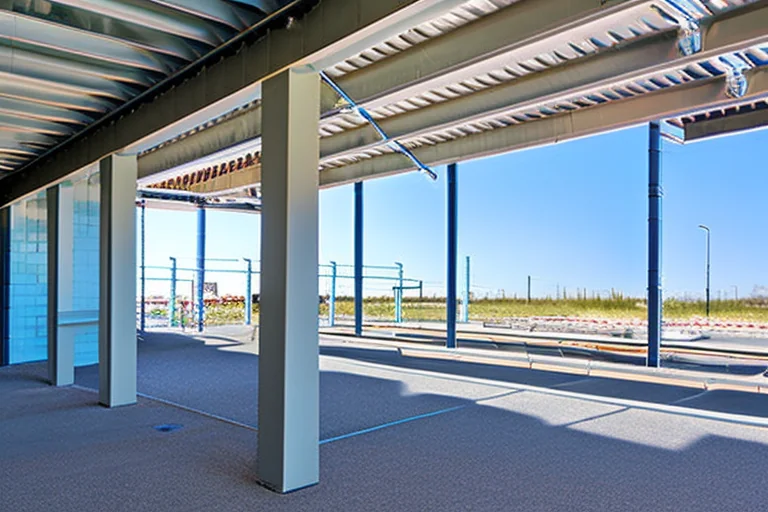
Modern architects are using polycarbonate to create seamless transitions between interior and exterior spaces. Unlike traditional glass, polycarbonate’s impact resistance allows for larger spans and more daring installations, enabling architects to create truly dramatic transparent walls and roofs.
The material’s lighter weight compared to glass also opens up new structural possibilities. Architects can create soaring glazed spaces without the heavy structural framework typically required for glass installations, resulting in cleaner lines and more elegant proportions.
Privacy Without Isolation
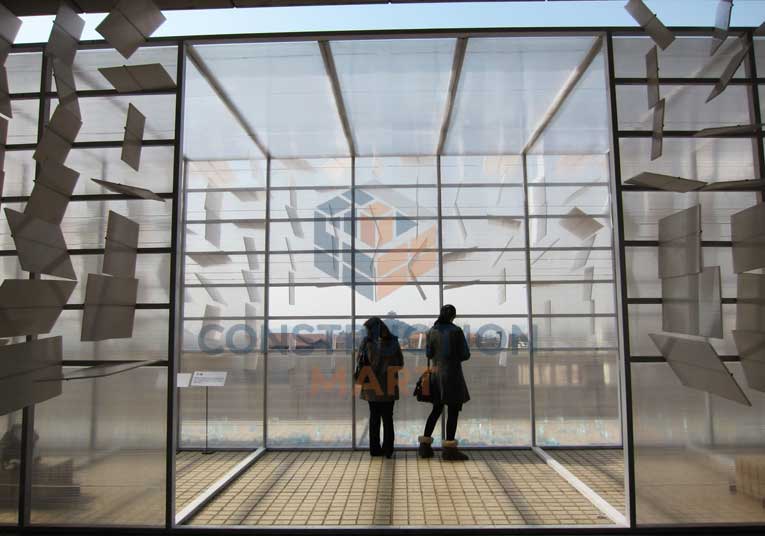
One of the most interesting applications of polycarbonate in contemporary design is its ability to provide privacy while maintaining visual connection. Textured and translucent polycarbonate panels allow light to flow freely while obscuring direct sight lines, creating spaces that feel open yet intimate.
This characteristic is particularly valuable in urban environments where buildings are closely spaced. Architects can create naturally lit interiors without sacrificing privacy, addressing one of the fundamental challenges of urban living.
Sustainability and Environmental Responsibility
Sustainability is no longer an optional consideration in architectural design – it’s a fundamental requirement. Polycarbonate supports sustainable design goals through multiple pathways: energy efficiency, durability, and end-of-life recyclability.
Passive Solar Design Integration
Modern architects are increasingly incorporating passive solar design principles to reduce building energy consumption. Polycarbonate’s excellent thermal properties make it an ideal material for these applications, providing insulation while maximizing solar heat gain when desired.
Twin and triple wall polycarbonate panels can be strategically positioned to capture winter sun while preventing overheating in summer. This passive approach to climate control significantly reduces a building’s mechanical heating and cooling requirements, contributing to both environmental and economic sustainability.
Daylighting as an Energy Strategy
Artificial lighting accounts for approximately 15-20% of global electricity consumption. By maximizing natural daylighting through strategic polycarbonate installations, architects can dramatically reduce this energy demand while creating more pleasant, healthy interior environments.
The key to successful daylighting lies in controlling and distributing natural light effectively. Polycarbonate’s various surface textures and opacity levels allow architects to fine-tune light quality, preventing glare while ensuring adequate illumination throughout interior spaces.
Textural Innovation and Surface Design
Contemporary architects are increasingly interested in materials that offer both functional performance and tactile, visual interest. Polycarbonate’s ability to incorporate surface textures during manufacturing has opened up exciting new design possibilities.
Diamond and Crystalline Patterns
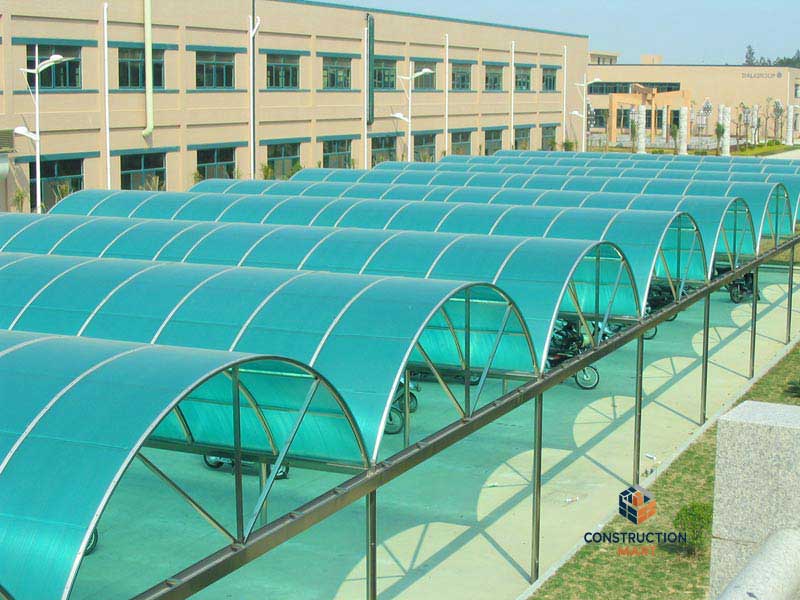
Textured polycarbonate surfaces, such as diamond and crystalline patterns, create dynamic light effects that change throughout the day. These surfaces scatter and refract light in unique ways, creating ever-changing patterns of light and shadow that add visual interest to both interior and exterior spaces.
Luxury projects are particularly drawn to these textured options, as they provide a sophisticated alternative to plain glazing while maintaining excellent performance characteristics. The interplay of light through textured surfaces creates an almost jewelry-like quality that appeals to high-end residential and commercial clients.
Privacy Through Pattern
Textured polycarbonate panels offer varying degrees of privacy while still allowing light transmission. This characteristic is being exploited by architects to create screening elements, privacy walls, and decorative facades that serve multiple functions simultaneously.
The ability to control visibility while maintaining light flow is particularly valuable in commercial applications where privacy is needed but natural lighting remains important for energy efficiency and occupant comfort.
Color as an Architectural Element
While clear polycarbonate remains popular for its maximum light transmission, colored options are gaining traction as architects seek to integrate brand identity, wayfinding, and aesthetic preferences into their designs.
Subtle Tinting for Environmental Control
Lightly tinted polycarbonate panels can provide significant environmental benefits while adding subtle color interest to architectural facades. Bronze and gray tints, for example, reduce solar heat gain while maintaining good light transmission, contributing to energy efficiency without sacrificing aesthetics.
These subtle tints also help unify large facades, creating cohesive appearances across extensive glazed surfaces. The color remains consistent regardless of lighting conditions, unlike some other tinted materials that can appear dramatically different under various lighting conditions.
Bold Color Statements
Some contemporary projects use bold colored polycarbonate panels as design focal points. These applications typically use color strategically – perhaps highlighting entry areas, creating accent walls, or establishing visual hierarchies within complex facades.
Structural Innovation and Engineering Excellence
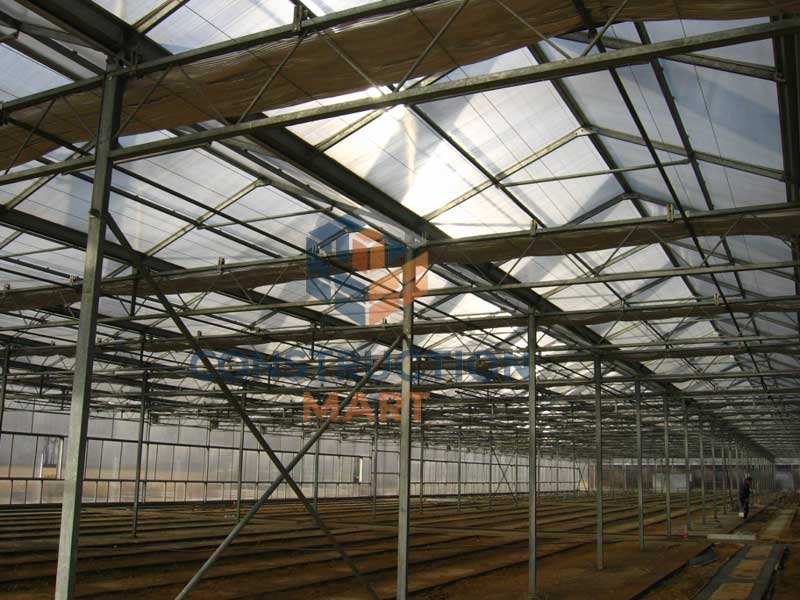
Modern polycarbonate applications are pushing the boundaries of what’s possible with transparent building materials. Advances in both material science and structural engineering are enabling larger spans, more complex geometries, and more ambitious architectural visions.
Large Span Glazing Systems
Contemporary architects are creating increasingly ambitious glazed spaces using polycarbonate’s unique structural properties. Unlike glass, which becomes exponentially heavier and more expensive as panel sizes increase, polycarbonate maintains its cost-effectiveness even in large installations.
This characteristic enables architects to create dramatic skylit spaces, large glazed facades, and sweeping curved installations that would be prohibitively expensive or structurally challenging with traditional glazing materials.
Complex Geometric Forms
Polycarbonate’s ability to be formed into complex curves and shapes is inspiring architects to explore non-traditional building geometries. The material can be thermoformed into curved panels or bent during installation to create flowing, organic forms that would be impossible with rigid glazing materials.
These applications are particularly popular in contemporary cultural buildings, transportation hubs, and commercial spaces where dramatic architectural statements are desired.
Residential Design Integration
The residential sector is increasingly embracing polycarbonate for both practical and aesthetic reasons. Homeowners and architects are discovering that polycarbonate offers unique advantages for creating bright, energy-efficient, and visually interesting residential spaces.
Modern Additions and Extensions
Polycarbonate is becoming the material of choice for residential additions and extensions. Its lighter weight reduces structural requirements, making it ideal for rooftop additions or extensions to existing structures. The material’s excellent insulation properties also ensure that these additions are energy-efficient year-round.
Many homeowners appreciate polycarbonate’s impact resistance, particularly in areas prone to severe weather. Unlike glass, which can shatter during hailstorms or high winds, polycarbonate provides reliable protection while maintaining transparency.
Garden Rooms and Outdoor Living
The growing trend toward outdoor living spaces has created new opportunities for polycarbonate applications. Garden rooms, conservatories, and covered outdoor living areas benefit from polycarbonate’s ability to provide weather protection while maintaining a connection to the natural environment.
Commercial and Retail Design Evolution
The commercial sector is experiencing rapid change as businesses adapt to new consumer expectations, sustainability requirements, and economic pressures. Polycarbonate is playing a key role in this evolution, enabling more flexible, efficient, and attractive commercial spaces.
Retail Experience Enhancement
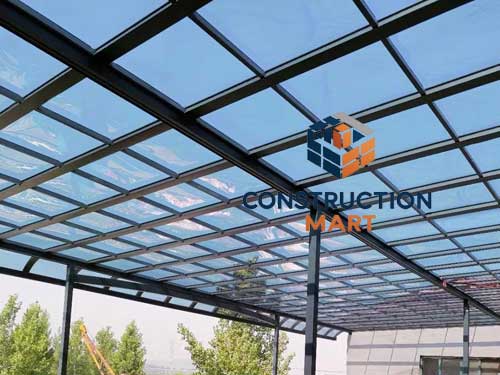
Modern retail design emphasizes experience over transaction, and natural lighting plays a crucial role in creating appealing shopping environments. Polycarbonate enables retailers to maximize daylight while controlling heat gain and UV exposure, protecting both merchandise and customers.
The material’s impact resistance is particularly valuable in high-traffic retail environments, where durability and safety are paramount concerns. Unlike glass, polycarbonate won’t create dangerous shards if broken, making it ideal for applications where public safety is a priority.
Flexible Commercial Spaces
The trend toward flexible, multi-use commercial spaces is driving demand for building materials that can adapt to changing needs. Polycarbonate’s lightweight properties and variety of transparency levels make it ideal for creating moveable partitions, temporary structures, and adaptable spaces.
This flexibility is particularly valuable in the current economic climate, where businesses need to adapt quickly to changing market conditions and space requirements.
Future Directions in Polycarbonate Architecture
The architectural applications of polycarbonate continue to evolve, driven by advances in material science, manufacturing technology, and design innovation. Several emerging trends are likely to shape the future of polycarbonate in architecture.
Smart Material Integration
Future polycarbonate applications may incorporate smart technologies such as electrochromic properties that allow transparency levels to be adjusted electronically. These smart materials could respond to environmental conditions, time of day, or occupant preferences, providing unprecedented control over light and privacy.
Advanced Surface Treatments
New surface treatment technologies are enabling even more sophisticated visual effects and functional properties. Anti-fog coatings, self-cleaning surfaces, and enhanced UV resistance are just the beginning of what’s possible with advanced polycarbonate materials.
Sustainable Manufacturing
As sustainability becomes increasingly important, polycarbonate manufacturers are developing more environmentally friendly production processes and end-of-life recycling programs. These developments will make polycarbonate an even more attractive option for environmentally conscious architects and clients.
Embracing the Future of Architectural Design
Polycarbonate is no longer just a functional building material – it’s become a medium for architectural expression and innovation. Its unique combination of transparency, durability, energy efficiency, and design versatility makes it perfectly suited to address the challenges and opportunities of contemporary architecture.
As architects continue to push the boundaries of sustainable design, energy efficiency, and aesthetic innovation, polycarbonate will undoubtedly play an increasingly important role. The material’s ability to adapt to diverse applications while maintaining excellent performance characteristics makes it an ideal choice for architects seeking to create buildings that are both beautiful and responsible.
Whether used for subtle residential accents or bold commercial statements, polycarbonate offers architects the tools they need to create spaces that respond to human needs while respecting environmental constraints. As we look toward the future of architecture, polycarbonate stands ready to support the next generation of design innovation and architectural excellence.