The industrial sector has discovered what greenhouse growers have known for decades: polycarbonate panels offer unmatched performance for daylighting applications. From massive warehouse skylights to factory roofing systems, polycarbonate is revolutionizing how industrial facilities approach natural lighting, energy efficiency, and worker safety.
Unlike traditional materials, polycarbonate combines the clarity needed for effective daylighting with the durability required for demanding industrial environments. This unique combination has made it the material of choice for forward-thinking facility managers and architects designing the next generation of industrial buildings.
Warehouse and Distribution Center Skylights
Modern warehouses and distribution centers face increasing pressure to reduce energy costs while maintaining safe, productive work environments. Polycarbonate skylights provide an elegant solution that addresses both challenges simultaneously.
Energy Efficiency Through Natural Daylighting
A well-designed polycarbonate skylight system can reduce artificial lighting requirements by up to 75% during daylight hours. For a typical 100,000 square foot warehouse, this translates to annual energy savings of $25,000 to $40,000, depending on local electricity rates and climate conditions.
The key to maximizing these savings lies in proper system design. Skylights should comprise 8-12% of the roof area to provide optimal daylighting without creating heat gain issues. Twin wall polycarbonate panels in 6mm thickness offer the ideal balance of light transmission and thermal performance for most warehouse applications.
Impact Resistance for High-Activity Environments
Industrial environments demand materials that can withstand the inevitable impacts from lifting equipment, maintenance activities, and severe weather. Polycarbonate’s impact strength – nearly 250 times greater than glass – makes it virtually unbreakable under normal industrial conditions.
This durability advantage extends beyond just preventing breakage. Unlike glass, which can create dangerous shards when broken, polycarbonate fails safely, maintaining structural integrity even when severely damaged. This characteristic is particularly important in facilities where worker safety is paramount.
Manufacturing Facility Roofing Solutions
Manufacturing facilities present unique challenges for roofing materials. They must provide weather protection while allowing natural light to improve working conditions and reduce energy costs. Traditional metal roofing, while durable, creates dark, artificial environments that rely heavily on electric lighting.
Corrugated Polycarbonate for Large Spans
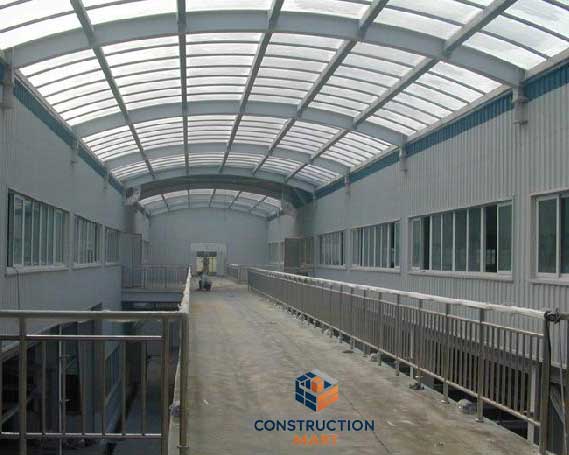
Corrugated polycarbonate panels excel in manufacturing applications where large, unobstructed spans are required. The corrugated profile provides excellent structural strength while maintaining the light transmission properties that make polycarbonate so valuable.
For manufacturing facilities, the C840 corrugated profile offers optimal performance. Its 840mm coverage width provides efficient installation, while the five-wave design ensures adequate structural strength for typical manufacturing facility loads. The profile’s excellent water drainage characteristics also make it ideal for regions with heavy rainfall or snow loads.
Meeting Industrial Building Codes
Industrial polycarbonate installations must comply with stringent building codes designed to ensure worker safety and structural integrity. Key considerations include wind load resistance, fire safety ratings, and thermal movement accommodation.
Most industrial applications require polycarbonate panels with a minimum impact rating and specific fire performance characteristics. Quality manufacturers provide detailed engineering data to help architects and contractors ensure code compliance while maximizing the benefits of natural daylighting.
Transportation and Logistics Facilities
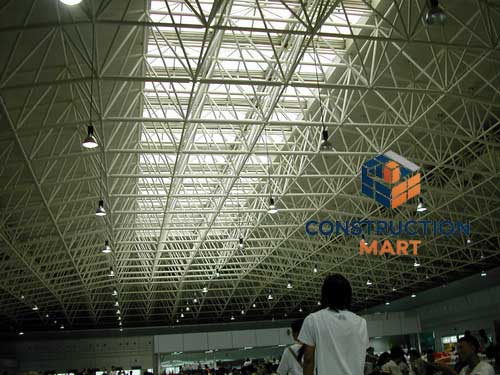
Airports, train stations, and logistics hubs represent some of the most demanding applications for polycarbonate glazing. These facilities require materials that can withstand constant use, variable weather conditions, and strict safety requirements while providing the clear, natural lighting that enhances passenger and worker experience.
Airport Terminal Applications
Modern airport terminals increasingly rely on polycarbonate for both functional and aesthetic reasons. The material’s ability to span large distances without intermediate supports creates the open, airy feeling that passengers appreciate, while its impact resistance provides security benefits in high-traffic areas.
For airport applications, solid polycarbonate sheets in thicknesses from 6mm to 12mm provide the clarity and strength required for critical installations. The material’s UV resistance ensures that costly replacement projects can be deferred for decades, an important consideration for facilities with complex access requirements.
Logistics Center Canopies
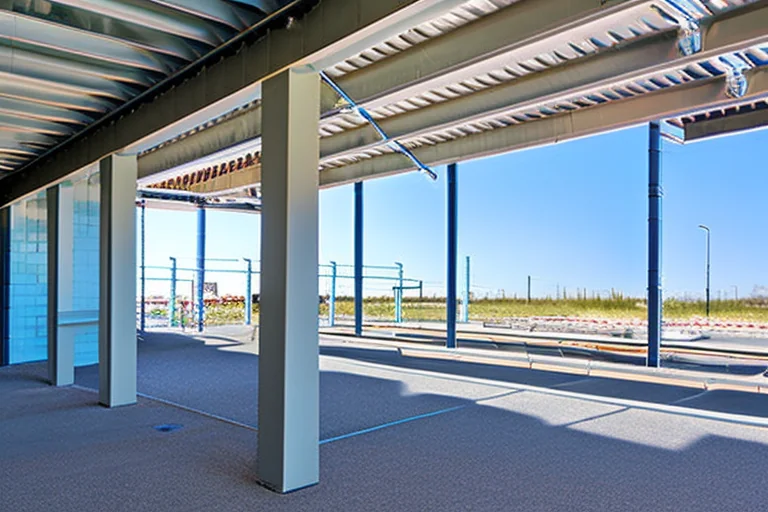
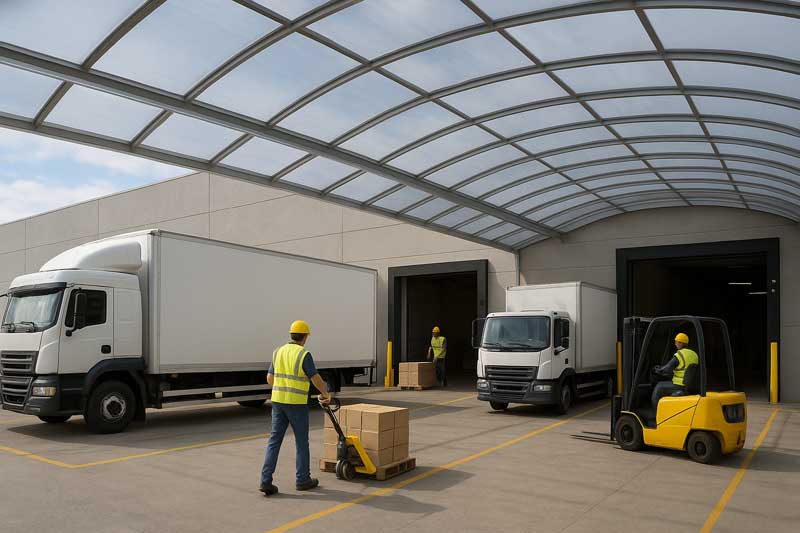
Loading dock canopies and truck terminals benefit enormously from polycarbonate’s unique properties. The material provides weather protection while allowing enough natural light to improve safety and reduce the need for artificial lighting during loading operations.
Industrial Installation Best Practices
Successful industrial polycarbonate installations require careful attention to structural requirements, environmental conditions, and maintenance access. Unlike residential applications, industrial installations often involve large spans, heavy loads, and challenging access conditions.
Structural Engineering Requirements
Industrial polycarbonate installations must be engineered to handle specific load conditions including dead loads, live loads, wind loads, and seismic forces. The corrugated profile of panels contributes significantly to their load-bearing capacity, but proper support spacing and fastening patterns are critical for optimal performance.
Most industrial applications require engineering calculations that account for local building codes, environmental conditions, and the specific properties of the polycarbonate panels being used. Working with experienced structural engineers familiar with polycarbonate properties ensures safe, code-compliant installations.
Thermal Movement and Expansion Joints
Large industrial installations are particularly susceptible to thermal movement issues. Polycarbonate’s coefficient of expansion requires careful design of expansion joints and fastening systems to prevent buckling, stress cracking, or seal failure.
For installations spanning more than 20 feet, expansion joints should be incorporated into the design. These joints allow the panels to move freely with temperature changes while maintaining weather sealing and structural integrity.
Access and Maintenance Planning
Industrial facilities often have complex access requirements that must be considered during the design phase. Skylights and roofing systems should be designed with maintenance access in mind, including safe walkways, anchor points for safety equipment, and adequate lighting for maintenance activities.
Return on Investment Analysis
The financial benefits of industrial polycarbonate installations extend far beyond simple material costs. A comprehensive ROI analysis must consider energy savings, maintenance costs, worker productivity improvements, and safety benefits.
Energy Cost Reductions
For a typical 50,000 square foot industrial facility, a properly designed polycarbonate daylighting system can reduce annual electricity costs by $15,000 to $30,000. These savings compound over the 25+ year lifespan of quality polycarbonate panels, creating substantial long-term value.
Productivity and Safety Benefits
Natural lighting has been proven to improve worker productivity, reduce eye strain, and decrease accident rates in industrial environments. While these benefits are harder to quantify than energy savings, they often represent the largest component of the total ROI for daylighting projects.
Studies have shown that facilities with good natural lighting experience 15-20% fewer workplace accidents and 10-15% higher productivity rates compared to facilities relying solely on artificial lighting.
Future Trends in Industrial Polycarbonate Applications
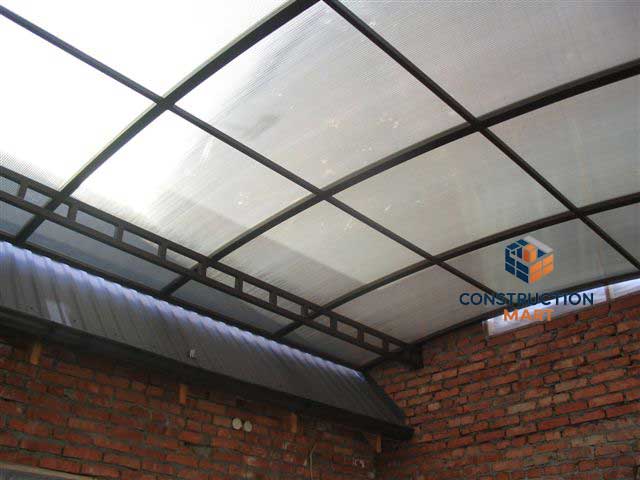
The industrial sector continues to evolve, driven by sustainability requirements, energy efficiency mandates, and changing worker expectations. Polycarbonate technology is evolving to meet these new challenges while building on its proven track record of performance and durability.
Smart Building Integration
Future polycarbonate installations will increasingly integrate with smart building systems, incorporating sensors that monitor light levels, temperature, and air quality. This data can be used to optimize both natural and artificial lighting systems for maximum efficiency and occupant comfort.
Enhanced Energy Performance
New polycarbonate formulations and multi-wall designs are pushing the boundaries of thermal performance while maintaining the light transmission and durability characteristics that make polycarbonate ideal for industrial applications.
Choosing Polycarbonate for Industrial Success
Industrial polycarbonate applications represent one of the most cost-effective investments a facility manager can make. The combination of energy savings, improved working conditions, and long-term durability creates compelling value that extends far beyond the initial installation cost.
Whether you’re planning a new facility or upgrading an existing one, polycarbonate offers proven solutions that meet the demanding requirements of modern industrial operations. The key to success lies in working with experienced suppliers and installers who understand both the capabilities and limitations of polycarbonate in industrial environments.
As sustainability and energy efficiency become increasingly important factors in industrial facility design, polycarbonate’s role will only continue to grow. Facilities that invest in quality polycarbonate daylighting systems today are positioning themselves for decades of reduced energy costs, improved working conditions, and enhanced competitiveness in an increasingly challenging business environment.