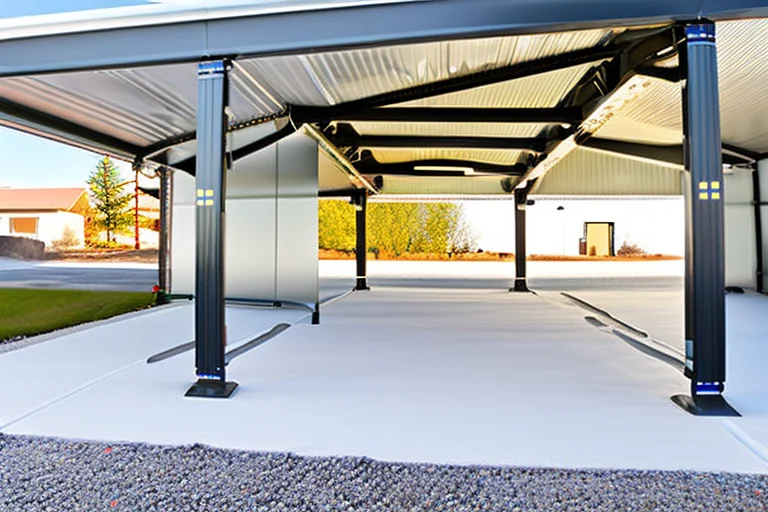
Choosing the right polycarbonate sheet thickness isn’t just a minor specification—it’s the cornerstone of your project’s success, longevity, and safety. Whether you’re designing a sun-drenched patio cover, a resilient machine guard, or a crystal-clear skylight, the gauge you select dictates everything from structural integrity and insulation value to cost and compliance with local codes. As a construction professional, I’ve seen too many projects where an incorrect thickness choice led to premature failure, excessive deflection, or unnecessary overspending. This guide will cut through the confusion and provide you with a practical, application-focused framework for selecting the perfect polycarbonate sheet thickness, ensuring your build performs flawlessly for years to come.
Why Thickness Matters: The Core Principles
Before diving into specific measurements, it’s vital to understand what sheet thickness fundamentally controls. Thickness is directly proportional to impact resistance. A thin sheet might be suitable for a decorative interior panel, but it would shatter under a hailstone impact on a roof. More importantly, thickness governs load-bearing capacity—its ability to handle snow loads, wind uplift, and foot traffic without sagging or breaking. It also influences thermal insulation (R-value), with thicker multi-wall panels offering significantly better performance than thin solid sheets. Finally, thickness affects light transmission and diffusion. Getting this specification wrong can compromise safety, energy efficiency, and the very function of your installation.
Common Thicknesses and Their Typical Applications
Polycarbonate sheets are manufactured in a wide range of thicknesses, each serving a distinct purpose. Let’s break down the most common gauges you’ll encounter.
Thin-Gauge Sheets (1.5mm – 3mm)
Sheets in the 1.5mm to 3mm range are your go-to for lightweight, non-structural applications. A 1.5mm or 2mm sheet is perfect for interior uses like protective sneeze guards, signage backers, or light diffusers. A 3mm thickness steps into more robust roles, such as greenhouse side glazing (where high impact from tools is less likely), replaceable machine covers, or basic protective barriers. These thinner sheets are cost-effective and easy to cut and handle, but they lack the rigidity for spanning unsupported distances or handling significant external loads.
Medium-Gauge Sheets (4mm – 6mm)
This is the workhorse range for many exterior and structural applications. A 4mm solid polycarbonate sheet is a popular choice for security glazing, small shed windows, and patio door panels where a balance of clarity and strength is needed. The 6mm thickness is often the minimum recommended for flat or lightly curved roofing applications on residential patio covers or carports, provided the support purlins are spaced appropriately. This thickness provides excellent resistance to vandalism and severe weather for many projects. For those seeking maximum durability in a solid panel, exploring our options for durable solid panels in this range is a smart move.
Heavy-Duty and Multi-Wall Sheets (8mm – 25mm+)
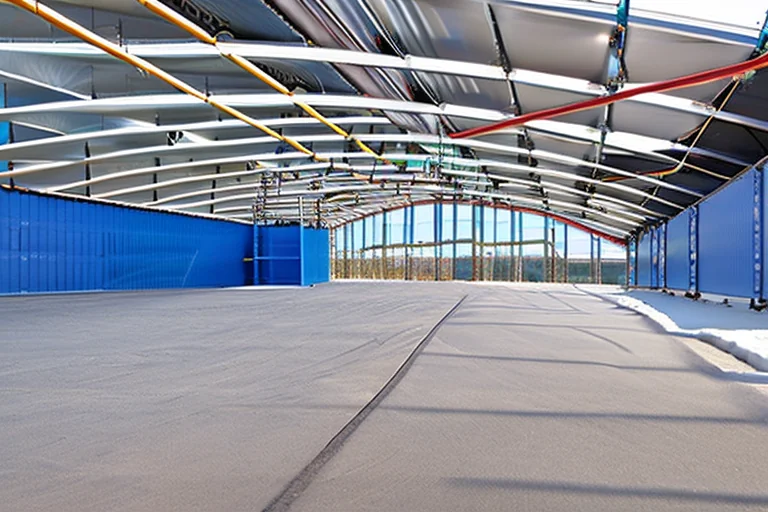
When you need superior insulation, long-span capability, or extreme load resistance, you enter the realm of thick multi-wall polycarbonate and very thick solid sheets. Multi-wall panels, like 8mm, 10mm, or 16mm, feature internal ribs that create air pockets, providing outstanding thermal efficiency for greenhouses, skylights, and industrial roofing. They can span wider distances between supports compared to solid sheets of the same thickness. For example, a 16mm triple-wall panel might span over 6 feet under a snow load. Solid sheets at 8mm, 10mm, or even thicker are used for bullet-resistant glazing, high-security barriers, and heavy machinery enclosures. The selection here is critical and often requires engineering calculations.
Key Factors to Consider for Your Specific Project
Now, let’s apply this knowledge. Ask yourself these crucial questions to narrow down your thickness choice.
1. What is the Primary Load or Stress?
Identify the dominant force the sheet must withstand. Is it a uniform snow load (measured in pounds per square foot or PSF)? Is it wind pressure, which can create both positive and negative (uplift) forces? For walk-on skylights or roofing, you must consider concentrated live loads (a person’s weight). Local building codes provide specific load requirements you must meet. A carport in Florida needs high wind resistance, while a greenhouse in Minnesota must be designed for heavy snow. Never guess on loads; always reference code or consult an engineer for critical applications.
2. What is the Support Span?
This is arguably the most important practical factor. The distance between the structural supports (purlins, rafters, or frames) directly dictates the minimum thickness required. A 4mm solid sheet may be fine over a 24-inch span, but it will sag noticeably over 48 inches. Manufacturers provide detailed span tables for their products—use them. For long-span applications like warehouse roofing, a thicker multi-wall panel (e.g., 25mm) may be necessary to reduce the number of supports, saving on framing costs while maintaining strength.

3. What are the Environmental and Safety Needs?
Consider the project’s environment. Will the sheet be exposed to UV radiation? Ensure you select sheets with co-extruded UV protection on at least one side. What about temperature extremes? Polycarbonate expands and contracts with temperature changes, and thicker sheets experience greater total movement, which must be accommodated in the framing and fastening design. For safety glazing in schools, gyms, or balconies, specific impact ratings and thicknesses are often mandated by law. Incorporating sustainable design principles can also influence your choice, as thicker, more insulating panels contribute to energy efficiency.
Installation and Maintenance Tips Based on Thickness
Your installation approach must adapt to the sheet thickness. Thicker, heavier panels require more manpower and careful handling to avoid damaging the edges. Always use recommended fasteners—typically self-drilling roofing screws with neoprene or EPDM sealing washers. For sheets over 6mm, pre-drilling pilot holes is often advised to prevent stress cracking. The spacing of fasteners and the size of the drill bit are critical; follow the manufacturer’s guidelines precisely. Allow for thermal expansion by using oversized drill holes in the sheet and not over-tightening screws. For maintenance, thicker multi-wall panels have channels that must be sealed at the ends with proper tape (impermeable tape on top, breathable tape on the bottom) to prevent dust, moisture, and insect infiltration, which can reduce light transmission and promote algae growth. Clean all sheets with mild soap and water, avoiding abrasive cleaners or solvents that can damage the surface.
Conclusion: Making Your Final Decision
Choosing the right polycarbonate sheet thickness is a systematic process. Start by defining your project’s non-negotiable requirements: load, span, insulation, and safety. Cross-reference these needs with manufacturer span and load tables for specific products. When in doubt, especially for structural or code-bound projects, consult with a structural engineer or an experienced supplier. It is always better to slightly overspecify on thickness than to risk failure. The right thickness ensures your project is not only safe and compliant but also cost-effective over its entire lifecycle, minimizing replacement and repair costs.
Ready to specify the perfect polycarbonate for your next build? Don’t leave performance to chance. View Our Full Product Catalog to compare all available thicknesses and profiles with detailed technical data. For complex projects or custom requirements, Contact Our Polycarbonate Experts Today for personalized guidance and quotes. You can also Access Our Complete Resource Library for more in-depth installation manuals and design guides.