Building a successful greenhouse starts with choosing the right glazing material. While glass has been the traditional choice for decades, polycarbonate panels have revolutionized greenhouse construction with their superior insulation, impact resistance, and cost-effectiveness. Whether you’re a commercial grower or a passionate hobbyist, understanding the different types of polycarbonate panels can make the difference between a thriving greenhouse and a struggling one.
In this comprehensive guide, we’ll explore everything you need to know about polycarbonate greenhouse panels, from the basic twin wall options to advanced anti-fog technology that protects your precious plants from condensation damage.
Understanding Different Types of Polycarbonate Panels
Twin Wall Polycarbonate: The Popular Choice
Twin wall polycarbonate panels remain the most popular choice for greenhouse construction, and for good reason. These panels feature two parallel walls connected by internal ribs, creating air pockets that provide excellent insulation while maintaining good light transmission.
The beauty of twin wall panels lies in their versatility. Available in thicknesses ranging from 4mm to 10mm, they can accommodate everything from small hobby greenhouses to medium-sized commercial operations. The 6mm thickness strikes the perfect balance between insulation and cost, making it the go-to choice for most greenhouse builders.
Triple Wall Polycarbonate: Enhanced Performance
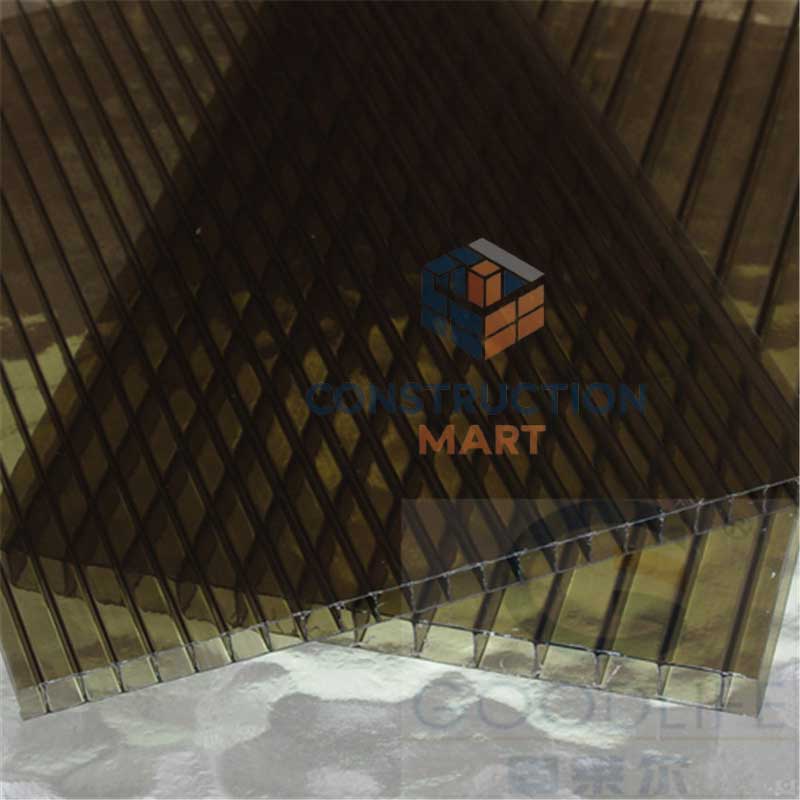
When energy efficiency becomes paramount, triple wall polycarbonate panels step up to deliver superior thermal performance. These panels feature three walls with two insulating chambers, significantly reducing heat loss during cold winter months.
Commercial growers particularly appreciate triple wall panels for their ability to maintain stable temperatures, reducing heating costs and creating optimal growing conditions. The increased thickness, typically ranging from 8mm to 20mm, also provides enhanced structural strength for larger greenhouse spans.
Anti-Fog Technology: Protecting Your Plants
Perhaps the most significant advancement in greenhouse glazing technology is the development of anti-fog polycarbonate panels. Traditional panels can develop condensation on their interior surface, which then drips onto plants below, potentially causing disease and damage.
Anti-fog panels feature a special coating on the interior surface that spreads condensation into a thin sheet rather than allowing it to form droplets. This sheet then flows down to the gutters, keeping your plants dry and healthy. For serious growers, the modest additional cost of anti-fog technology pays dividends in plant health and reduced disease pressure.
Installation Best Practices for Maximum Performance
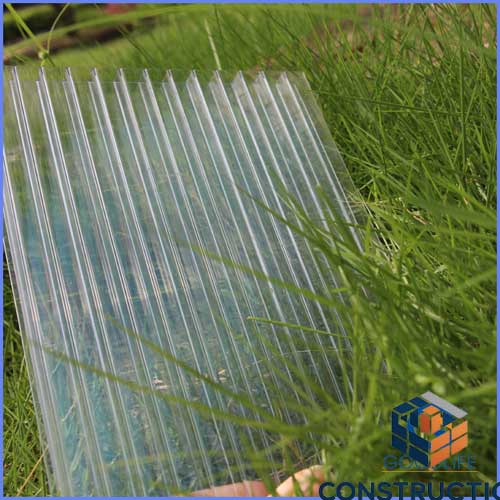
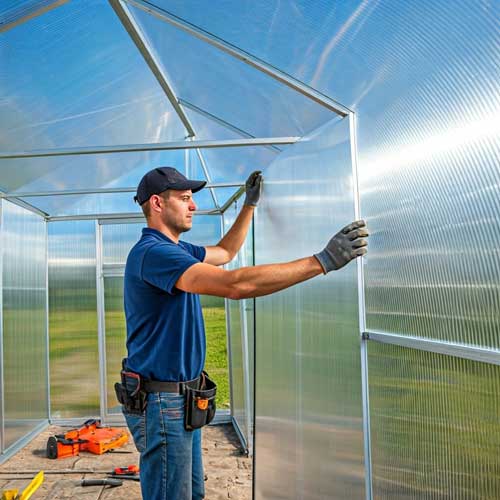
Even the highest quality polycarbonate panels won’t perform optimally without proper installation. The key to successful greenhouse glazing lies in attention to detail during the installation process.
Proper Slope and Drainage
Your greenhouse roof should have a minimum slope of 22 degrees to ensure proper water runoff. This isn’t just about preventing leaks – proper drainage is crucial for maintaining the structural integrity of your panels over time. Water that pools on flat or low-slope surfaces can lead to algae growth and eventual panel degradation.
Thermal Expansion Management
Polycarbonate expands and contracts with temperature changes more than glass. Failing to account for this movement can lead to buckling, stress cracks, or seal failure. Always leave appropriate expansion gaps and use compatible sealants that can accommodate movement.
Sealing and Weatherproofing
The longevity of your greenhouse depends heavily on keeping moisture out of places it doesn’t belong. Use high-quality glazing tape and sealants specifically designed for polycarbonate. Never use silicone-based sealants, as they can cause stress cracking in polycarbonate materials.
Maintaining Your Polycarbonate Greenhouse
One of the greatest advantages of polycarbonate panels is their low maintenance requirements. However, a little care goes a long way in ensuring optimal performance and longevity.
Cleaning for Optimal Light Transmission
Clean panels can transmit up to 15% more light than dirty ones, making regular cleaning a worthwhile investment in your plants’ health. Use warm water and mild soap, avoiding abrasive cleaners or tools that could scratch the surface. The UV-protective coating on quality panels is designed to last, but harsh cleaning can compromise its effectiveness.
Seasonal Inspections
Take time each season to inspect your panels for any signs of damage, loose fasteners, or failing seals. Early detection of minor issues can prevent costly repairs down the road. Pay particular attention to areas around vents and doors where movement and vibration are most common.
The Economic Case for Polycarbonate
While the initial cost comparison between glass and polycarbonate might seem close, the total cost of ownership strongly favors polycarbonate. The superior insulation properties can reduce heating costs by 30-50% compared to single-pane glass, while the impact resistance virtually eliminates replacement costs from hail or accidental damage.
For commercial operations, the improved growing conditions possible with anti-fog panels can increase yields and reduce crop losses, often paying for the upgrade cost within a single growing season.
Making the Right Choice for Your Greenhouse
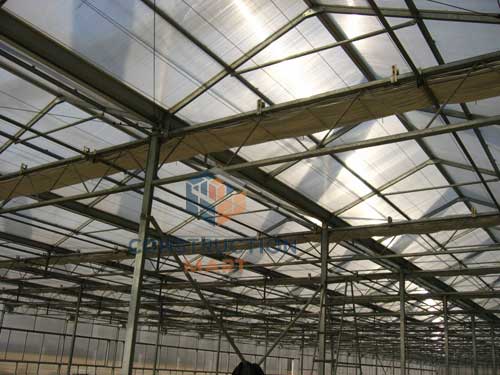
Choosing the right polycarbonate panels for your greenhouse doesn’t have to be overwhelming. Start by considering your local climate, intended use, and budget. For most applications, 6mm twin wall panels provide excellent performance at a reasonable cost. If energy efficiency is a priority or you’re in a harsh climate, consider upgrading to triple wall panels.
For serious growers, anti-fog technology is worth every penny. The protection it provides to your plants and the peace of mind knowing that condensation won’t damage your crops makes it an investment that pays for itself.
Remember, a greenhouse is a long-term investment in your growing future. Quality polycarbonate panels from reputable manufacturers will serve you well for decades with minimal maintenance, making them one of the smartest choices you can make for your greenhouse project.